The HVAC Repair Worked. Then the Homeowner’s Electric Bill Doubled. Who’s Responsible?

The HVAC system is running after a repair. The technician documented the work, verified operation, and closed the job. Weeks later, the homeowner calls with a different complaint: the electricity bill has jumped dramatically, and they believe the repair caused it.
It is an uncomfortable situation because timing can look like proof. The bill arrived after the service visit, but that alone does not establish what caused the increase. The technician could have missed an electrical or control problem. The equipment could be operating longer because of weather. The utility may have changed rates or billing periods. Several factors can occur together.
For HVAC businesses, the challenge is to investigate fairly without admitting a cause before the evidence supports it—and without dismissing a customer’s legitimate concern. This is a hypothetical scenario, not a diagnosis of any specific system.
Why a Higher Electric Bill After HVAC Repair Raises Immediate Suspicion
Homeowners rarely see the electrical measurements, sequence-of-operation checks, or system performance data behind a service invoice. They see two clear events: someone worked on their equipment, and then their bill went up. That sequence understandably raises questions.
Contractors may feel unfairly blamed, especially when the repair restored a system that had not been operating normally. A system that was previously off, cycling on a fault, or unable to maintain temperature may consume more total energy once it starts operating for normal hours. That possibility is worth explaining, but it must not be used as a blanket excuse for abnormal consumption.
A professional response begins by acknowledging the concern and gathering facts. Saying “there’s no way our repair did that” before checking the equipment can damage trust as quickly as accepting blame without testing.
Did the Repair Cause This? Start With Evidence
The first task is to establish exactly what changed. Ask for the date of the repair, the dates covered by the utility bill, recent bills for comparison, thermostat settings, changes in occupancy, and any new symptoms. A billing statement may cover weeks before and after the service visit, so the timeline matters.
Compare energy usage in kilowatt-hours, not just the amount due. Total charges can rise because of rate changes, fees, estimated readings, or a longer billing cycle. Even kWh comparisons require context: a hotter or colder month may demand significantly more heating or cooling.
Review the original work order
Look at the original complaint, components replaced, readings recorded, and the technician’s final checks. Was the repair electrical, mechanical, refrigerant-related, or a control adjustment? Did the technician document amperage, voltage, temperatures, airflow, or system operating mode where appropriate? Good notes can narrow the investigation.
Verify actual equipment operation
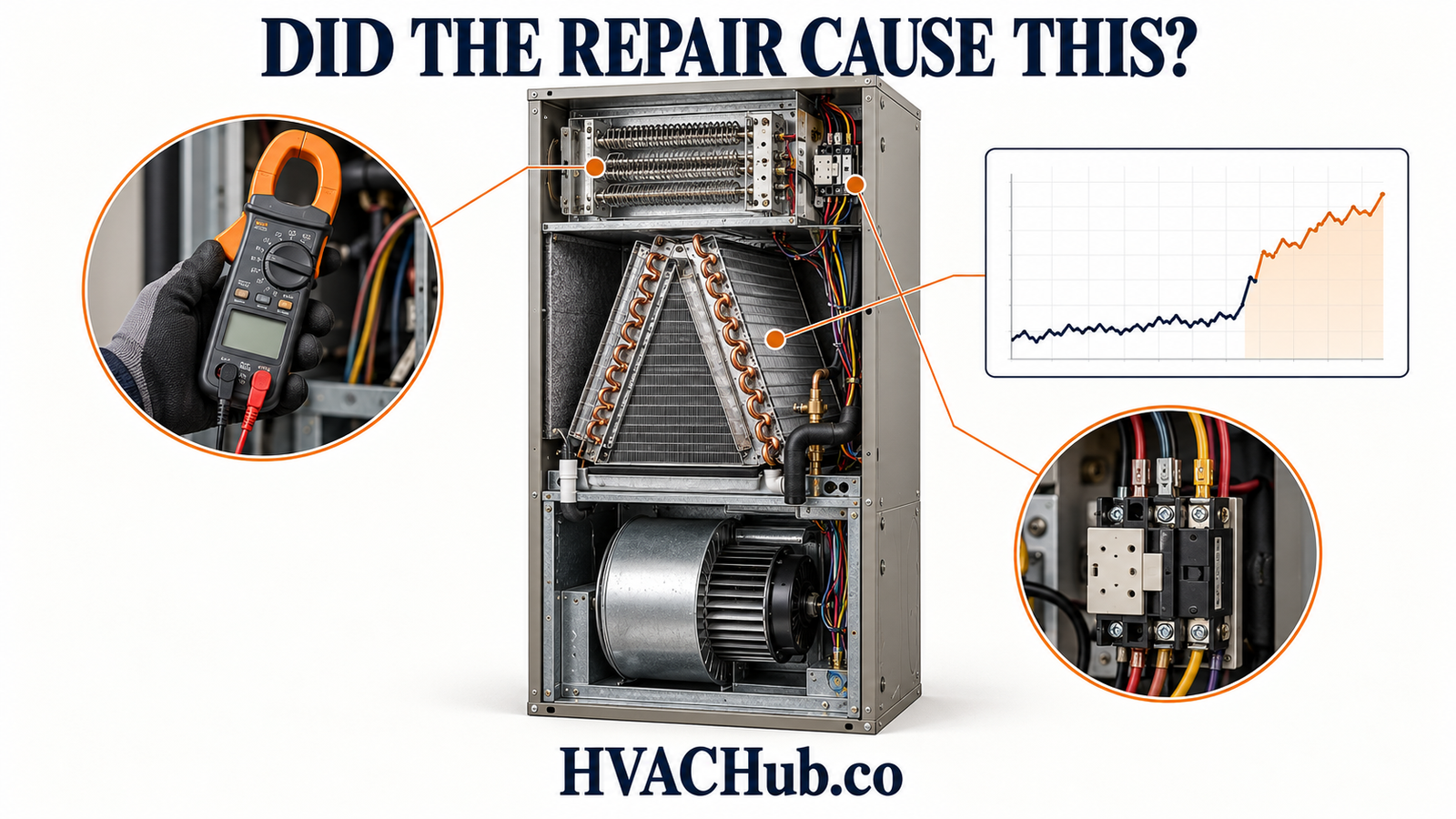
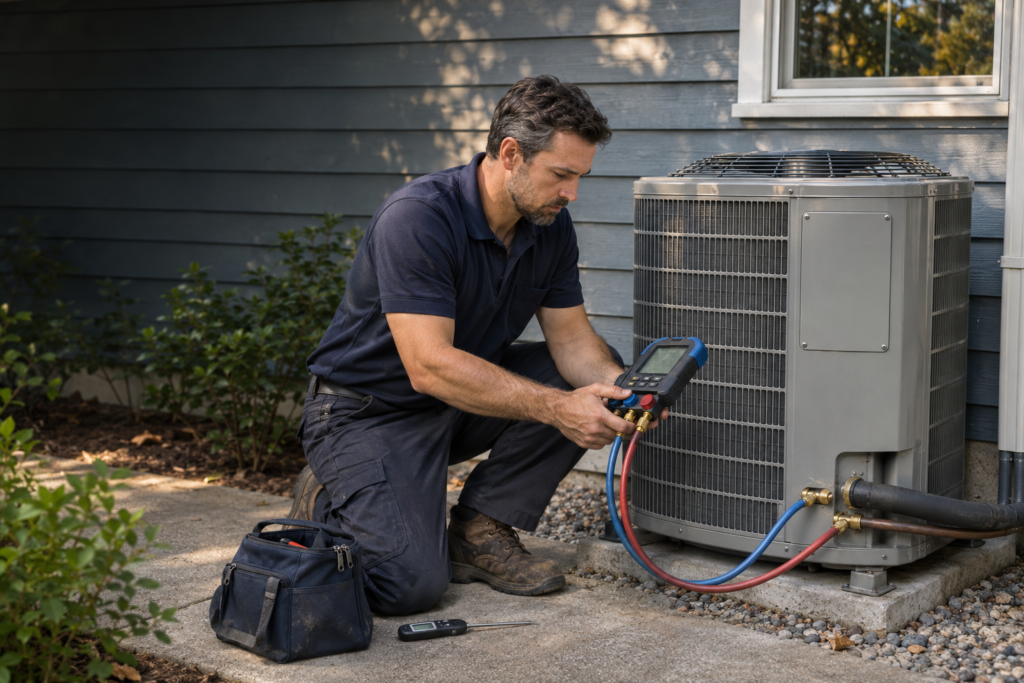
A qualified technician should check the system against the manufacturer’s service procedures and applicable electrical safety requirements. Depending on the equipment and complaint, that may involve verifying thermostat calls, staging, contactor operation, compressor and blower behavior, electric heat operation, and whether the system shuts off as commanded.
One important example is auxiliary or emergency electric heat on a heat-pump system. If resistance heat operates unnecessarily, energy consumption may increase substantially. But its presence is not proof of a wiring error or failed component; testing must determine when and why it is energized.
Avoid inventing a diagnosis from a bill
A high utility bill cannot identify a stuck relay, incorrect thermostat setup, airflow problem, or refrigerant issue by itself. Nor can a single current reading establish monthly energy use. Diagnosis requires measurements, operating conditions, and a clear understanding of the equipment.
What’s Really Using the Power?
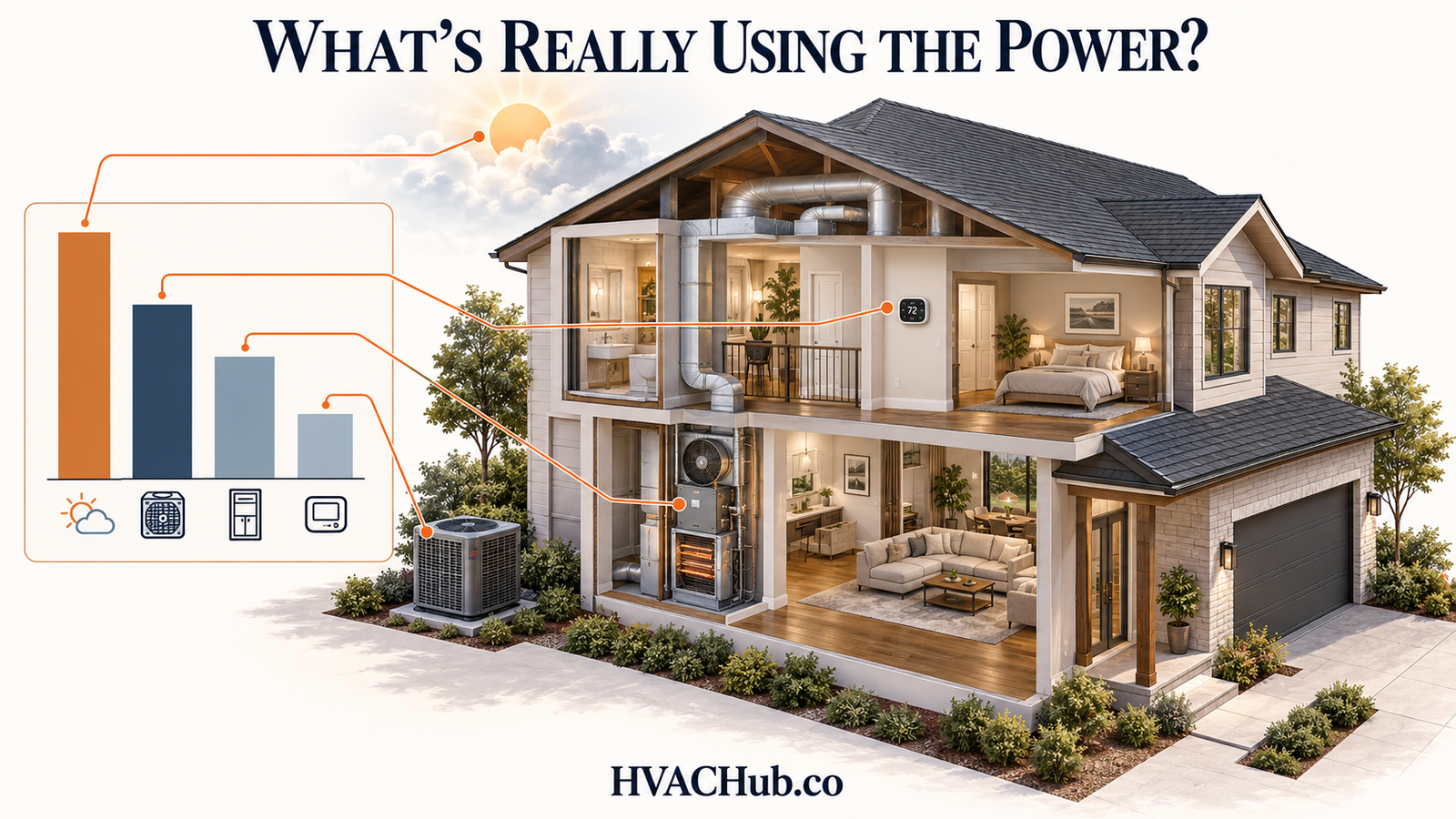
Electricity use is a whole-home measurement unless separate circuit monitoring is available. HVAC can be a major contributor, but the utility meter generally does not label each appliance’s share of the total.
Weather and runtime
Outdoor temperatures, humidity, heat waves, cold snaps, and longer run hours all affect demand. Comparing this month’s bill to last month’s without considering weather can be misleading. Where available, daily utility usage and local weather records can help establish whether the increase aligns with conditions.
Thermostat settings and operating modes
A changed setpoint, continuous fan selection, emergency heat setting, altered schedule, or unfamiliar thermostat programming may change how the system operates. Verify the current configuration rather than assuming it stayed the same after the visit.
System performance and restrictions
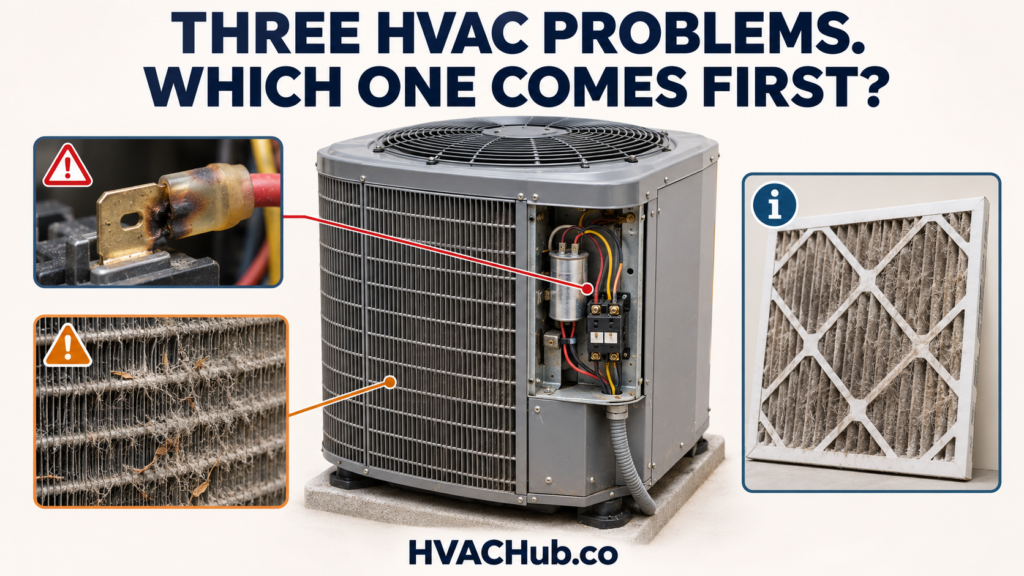
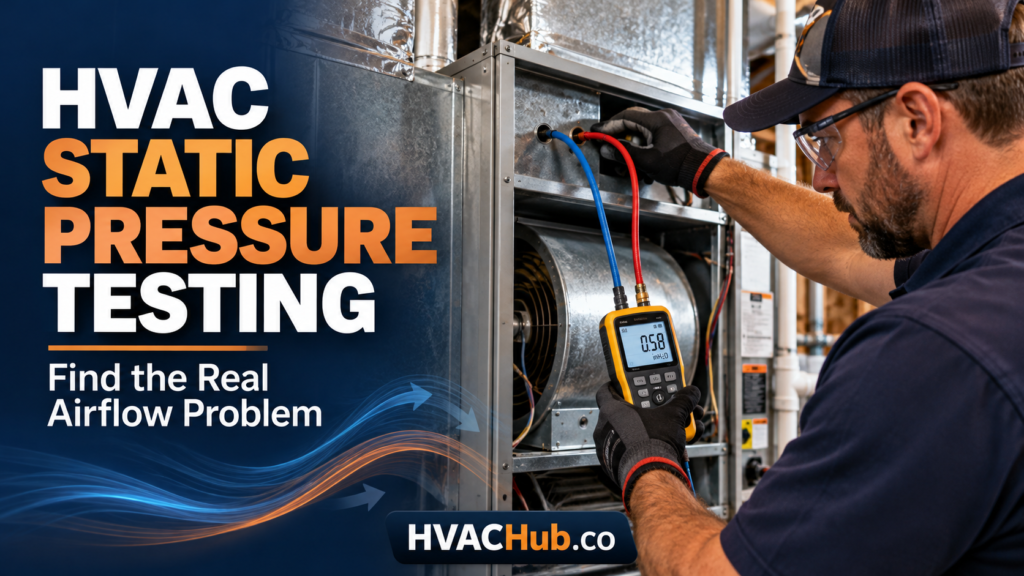
Dirty filters, restricted ducts, blower issues, defrost behavior, improper staging, or other operating problems may affect comfort and efficiency. The relevant checks depend on system type and should follow manufacturer specifications rather than generic internet thresholds.
Other electrical loads and billing changes
Water heaters, portable heaters, EV charging, pool equipment, dehumidifiers, new appliances, and changes in household habits can affect usage. Utility rate adjustments, estimated meter readings, and billing-cycle length can affect the amount due even when energy use changes little.
The goal is not to overwhelm the homeowner with possible excuses. It is to narrow a broad question into testable hypotheses.
The Service Call: What Should the Contractor Document?
When the complaint involves money and responsibility, a disciplined diagnostic record protects everyone. Note the customer’s reported change, billing dates, thermostat settings, system model, operating mode, and measurements actually taken. Include photographs or screenshots when appropriate and with permission.
Document the difference between observed facts and working theories. “Auxiliary heat energized during cooling call” is a measurable observation if confirmed. “Our repair doubled the bill” is a causal conclusion that requires much more evidence.
If an issue is discovered, explain how it relates—or does not clearly relate—to the original repair. Record corrective actions and retest. If no abnormal equipment operation is found, provide a clear summary of what was checked and which questions remain unresolved.
Who Pays to Find Out?
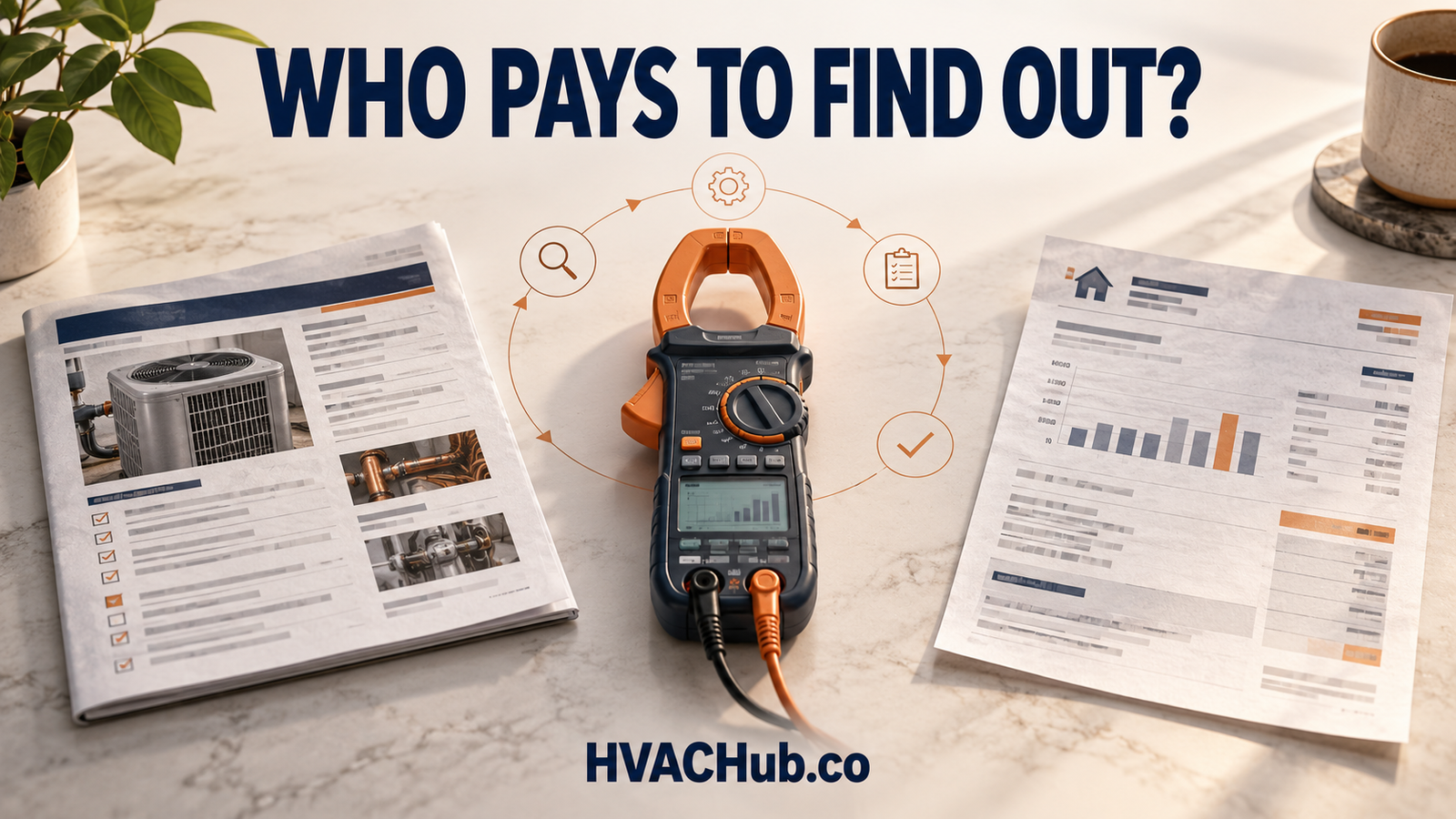
This is often where a technical issue becomes a business dispute. The homeowner may expect a free return visit because the complaint followed a repair. The contractor may see a new diagnostic request unrelated to the completed job. Neither position should be treated as automatically correct in every case.
A practical policy distinguishes a callback for potentially defective workmanship from a new investigation. If testing shows that the original work caused a problem, correcting it under the company’s applicable workmanship terms may be appropriate. If testing reveals an unrelated issue, a clearly disclosed diagnostic fee may be reasonable.
The difficult middle case is an inconclusive investigation. Businesses should decide in advance how to handle these situations: whether to waive a fee as goodwill, split costs, provide a limited courtesy inspection, or refer the customer to additional metering or an electrician where appropriate. Warranties, service agreements, consumer-protection rules, and local law can affect obligations.
Explain the fee before sending a truck
A transparent conversation can sound like this: “We take the increase seriously. We’ll review the original repair and test the system. If we find a problem caused by our work, we’ll address it according to our workmanship policy. If it’s unrelated, we’ll explain the findings and the diagnostic charge before additional work.”
Do not promise to reimburse an entire utility bill or guarantee a free visit without understanding the facts and the company’s obligations. Equally, avoid using fees to discourage legitimate callbacks.
How to Talk to a Homeowner Who Thinks You Caused the Problem
Start with empathy, not defensiveness. Ask what changed, request the relevant usage information, and explain that the timing deserves investigation. Make the next step concrete: what will be checked, who will perform the checks, what it may cost, and when the customer will receive a written summary.
Keep technical explanations accessible. A homeowner may not know the difference between power in kilowatts and energy in kilowatt-hours. Explain that a device drawing more power or operating for more hours can increase total consumption, and that the bill alone cannot identify which occurred.
Avoid blaming the customer for thermostat settings or household habits before verifying them. A respectful explanation is more likely to preserve trust even when the company ultimately finds no repair-related fault.
How HVAC Companies Can Reduce These Disputes
- Record meaningful pre-repair and post-repair findings for the equipment and fault being addressed.
- Confirm operating modes, staging, and shutdown behavior when relevant to the repair.
- Explain to customers when restored equipment may operate differently from a previously malfunctioning system.
- Provide clear workmanship and callback policies before a dispute occurs.
- Train dispatchers to gather utility usage dates and symptoms without assigning blame.
- Use manufacturer guidance and qualified testing rather than assumptions based on the bill total.
- Give customers a concise written explanation of findings and next steps.
Better documentation does not prevent every complaint. It makes the conversation less dependent on competing memories of what happened during the original visit.
Frequently Asked Questions
Can an HVAC repair cause a higher electric bill?
Yes, a repair-related control, electrical, or operating problem could contribute to higher energy use. But increased consumption after a repair is not, by itself, evidence that the repair caused it. Proper testing is needed.
Can electric auxiliary heat increase power consumption?
Electric resistance heat can use substantial electricity when energized. Whether its operation is normal depends on the system, thermostat call, outdoor conditions, and control strategy. A qualified technician should verify its actual operation.
Should the contractor inspect the system for free?
That depends on the company’s workmanship commitments, the facts, applicable agreements, and local consumer law. A clear callback policy and upfront explanation of potential fees help avoid surprises.
How can a homeowner tell whether HVAC caused the increase?
Compare kWh usage and billing dates, review weather and thermostat changes, and ask a qualified professional to test the system. Circuit-level monitoring may provide more specific information, but utility bills alone generally cannot isolate HVAC usage.
The Discussion HVAC Contractors Need to Have
A repair can be completed correctly and still be followed by an expensive bill. A repair can also leave an undetected problem that increases consumption. The responsible response is neither automatic blame nor automatic dismissal; it is a fair investigation supported by evidence.
Have you ever had a homeowner blame an HVAC repair for a huge electricity bill? Did testing uncover a genuine equipment problem, or was something else responsible—and who paid for the investigation? Share your experience with other technicians and business owners at HVAC Community Hub.


Responses