
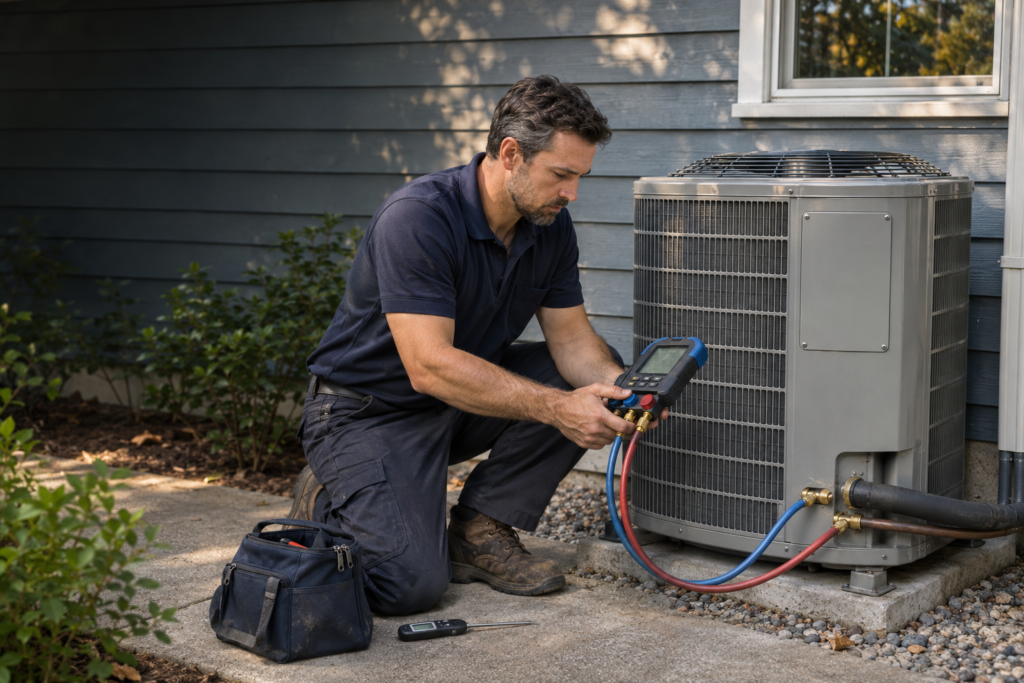
Your HVAC Technician Finished the Job. But Who Checked If the System Was Actually Working?

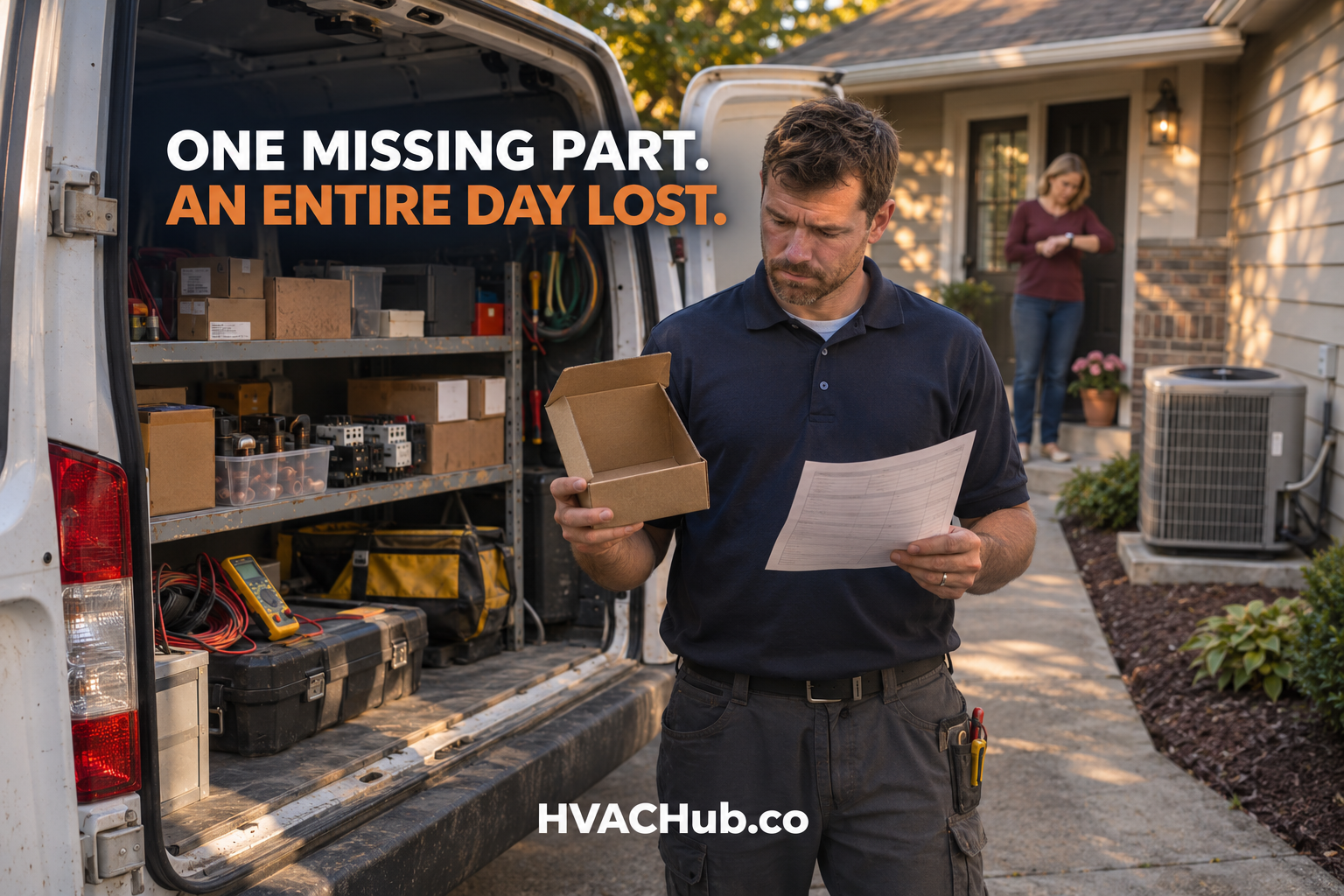
An HVAC technician replaces a failed component, restores power, and hears the outdoor unit start. Cool air comes through the vents. The repair seems finished, and the technician closes the service ticket. Two days later, the homeowner calls again because the house still struggles to reach the thermostat setting.
The replacement may have been correct. Yet a working component does not automatically mean the whole HVAC system performs as expected. HVAC post repair testing helps technicians confirm that the original complaint has been addressed, identify remaining problems, and explain the result to the customer.
A good final check is not a universal list of measurements performed on every call. It is a focused process based on the system, the fault, the work completed, manufacturer instructions, and safety requirements. This guide explains how to build that process without turning a straightforward service visit into an unnecessary overhaul.
The Repair Was Finished. The Problem Wasn’t.
Imagine a homeowner who reports weak cooling during a hot week. A technician diagnoses a failed electrical component and replaces it with a suitable part. The condenser starts, and the supply register feels cooler. The customer approves the invoice.
However, the home still does not cool properly later that afternoon. Perhaps the system has a separate airflow problem, an operating condition that was not checked, or an issue that appears only after extended runtime. The first repair may have been needed, but the customer’s original complaint remains unresolved.
This example shows why a repair should end with a relevant verification step. The technician needs to ask two questions: did the replaced component function correctly, and did the system respond as expected to the original complaint?
Why Replacing a Failed Part Is Only Half the Job
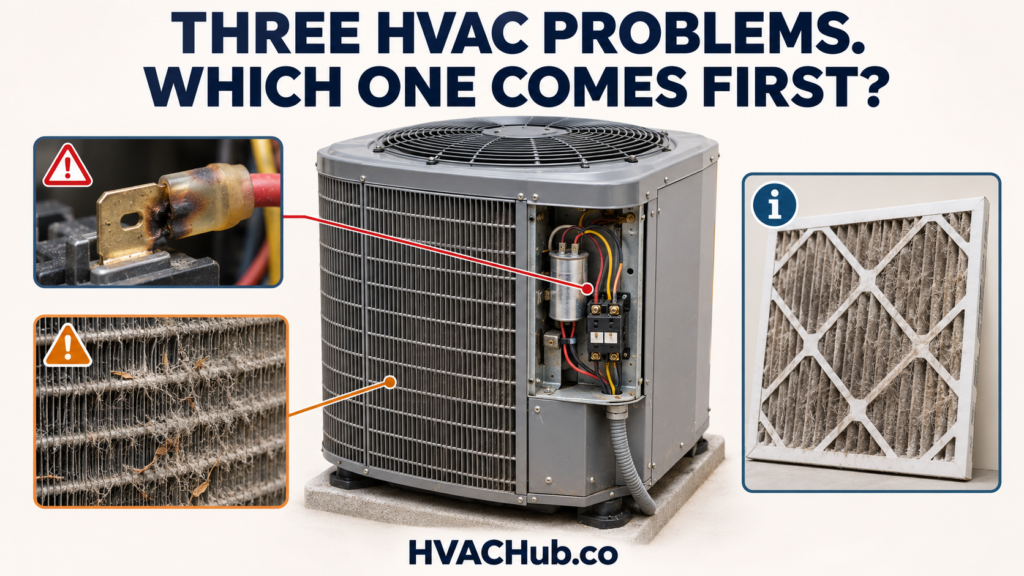
A component repair is one action within a larger system. Electrical controls, refrigerant circuits, airflow, drainage, thermostats, and safety devices interact. A technician can fix one confirmed fault while another condition continues to affect comfort or reliability.
HVAC post repair testing is the process of checking the system after work is completed. It may include observing operation, checking appropriate measurements, confirming controls and safety functions, and documenting the outcome. The exact steps vary significantly by equipment and repair type.
For example, replacing a thermostat may call for checking relevant heating and cooling calls and control responses. Work involving refrigerant-side components can require different checks, including procedures specified by the equipment manufacturer. A condensate repair calls for verifying proper drainage and any applicable overflow protection.
Avoid a checklist that encourages unnecessary testing. The goal is evidence that the repaired system is operating as expected within the scope of the visit, not a promise that every unrelated component has been inspected.
Start With the Customer’s Original Complaint
Before testing, review why the customer requested service. Was the system not starting, cycling unexpectedly, making noise, leaking water, or failing to maintain comfort? A meaningful final check connects directly to that complaint.
Ask what conditions triggered the problem. Some faults appear only during particular operating modes, after longer runtime, or under certain outdoor conditions. If those conditions cannot be reproduced during the visit, document the limitation rather than claiming a complete resolution.
Review the diagnosis and the repair performed. A clear link between the initial symptoms, the confirmed fault, the corrective action, and the final result helps both the customer and the next technician understand the service history.
What Should HVAC Technicians Test Before Leaving?
A sensible HVAC repair verification process begins with safety. Follow applicable codes, equipment instructions, company procedures, and required lockout or isolation practices. Never bypass a safety device to make the system appear operational.
Next, confirm that the repaired component and relevant controls operate correctly. Check for obvious abnormal sounds, vibration, leaks, or warning indications as appropriate to the equipment. Then evaluate the operating conditions that matter for the original complaint.
Some jobs warrant electrical measurements by qualified technicians using suitable instruments and safe methods. Others may call for airflow assessment, temperature readings, condensate checks, or manufacturer-specified performance measurements. No single reading proves that every HVAC system is healthy.
Verify controls and operating modes
Confirm that the thermostat or controller sends the intended call and that the equipment responds correctly. Depending on the repair, this may include checking the relevant heating, cooling, fan, or staging functions.
Do not force equipment into modes that are unsafe or inappropriate for the conditions. Some tests require specific outdoor temperatures or manufacturer procedures. Record what was checked and what could not be verified.
Observe system operation long enough to learn something
A brief startup check may confirm that a motor turns on, but it may not reveal an intermittent fault. The appropriate observation period depends on the system and the reported symptoms.
Watch for abnormal shutdowns, alarms, unexpected cycling, and other relevant signs. If a longer performance test is needed, explain that requirement rather than silently marking the ticket complete.
Why “It’s Blowing Cold” Isn’t Enough
Feeling cool air at a supply register can be useful as a quick observation, but it is not a full performance test. A room may feel cooler even when airflow is restricted or the system is not operating as intended.
A technician may need to compare relevant air temperatures, assess airflow, or examine other operating conditions. The proper interpretation depends on equipment design, humidity, indoor load, and manufacturer guidance. Avoid applying one universal temperature-difference target to every system.
The opposite mistake is relying only on instrument readings without considering the customer’s experience. If the homeowner reports that one area never cools, a normal reading at the equipment may not explain the whole complaint.
The strongest conclusion combines measurements, observations, system context, and the original symptoms. When evidence is incomplete, the service report should say so.
Post-Repair Testing for Cooling, Heating, and Heat Pumps
Different equipment requires different verification. A residential air conditioner, a gas furnace, and a heat pump may share controls but have distinct operating and safety requirements.
After an air-conditioning repair
Confirm relevant cooling operation, controls, airflow conditions, and any repair-specific checks. If refrigerant-side work was performed, follow applicable handling requirements and manufacturer procedures. Do not infer refrigerant charge from a single pressure reading.
Look for conditions related to the original complaint, such as abnormal cycling, drainage issues, or restricted airflow. Document readings only when they are meaningful and obtained under suitable conditions.
After a furnace or heating repair
Heating equipment may require checks involving ignition, combustion safety, venting, limit controls, airflow, and other protections, depending on the system and work completed. These tasks must be performed by appropriately qualified personnel following applicable instructions and regulations.
A furnace producing warm air is not proof that every safety requirement has been met. Never leave equipment operating when a verified hazardous condition remains unresolved.
After a heat-pump repair
Heat pumps can have distinct heating, cooling, reversing-valve, auxiliary-heat, and defrost behaviors. Relevant verification depends on the complaint, outdoor conditions, and equipment configuration.
Not every function can be evaluated meaningfully at every service visit. If conditions prevent a proper test, document what was verified and identify any needed follow-up.
How Much Testing Is Reasonable After a Small Repair?
A common concern among HVAC owners is that more testing adds labor time. That is true when checks are unfocused or repeated without a reason. Yet skipping meaningful verification can create another trip, a confused customer, or an unresolved fault.
Use a proportional approach. A simple control replacement may need a targeted functional check. A major repair affecting multiple systems may require broader verification. Manufacturer requirements and safety procedures still apply regardless of job size.
Technicians should understand which checks are mandatory, which depend on symptoms, and which require additional authorization or diagnosis. That distinction protects service quality while keeping the process practical.
Avoid promising a perfect system
A final check confirms what was tested under the conditions present. It does not guarantee that no other component will fail later. Explain that boundary in plain language.
If testing uncovers a separate issue, document it and discuss the next step. Do not quietly expand the repair scope or suggest that the original work was pointless. One confirmed fault and another unresolved condition can both be real.
What Should Go Into the Final HVAC Service Report?
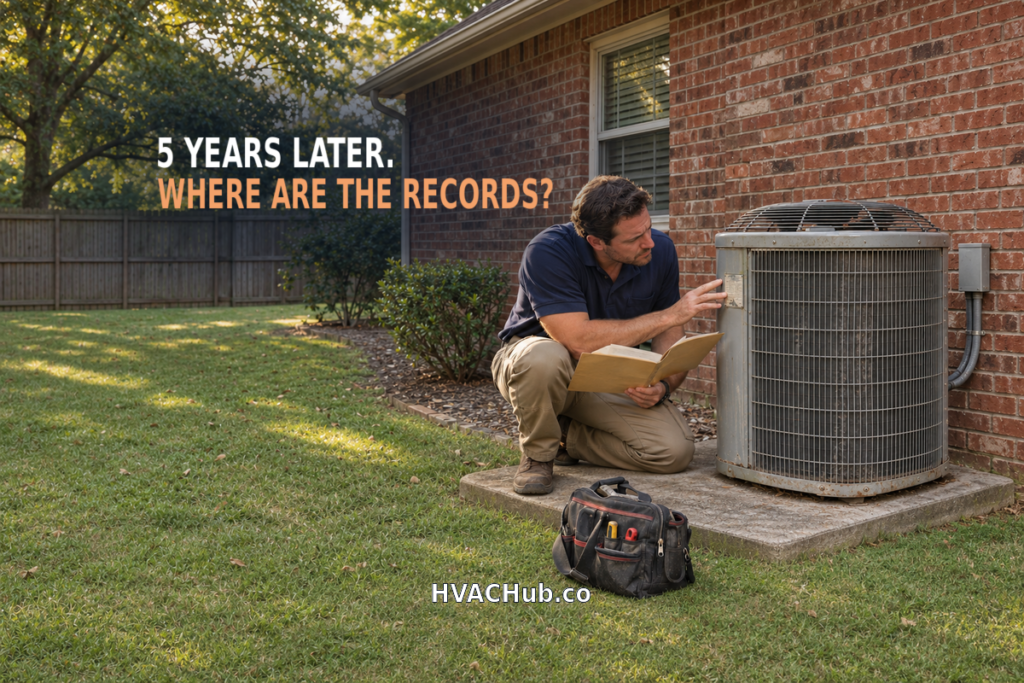
A useful report tells the story of the visit. Record the customer’s complaint, diagnostic findings, work performed, relevant parts, verification steps, observations, and final equipment status.
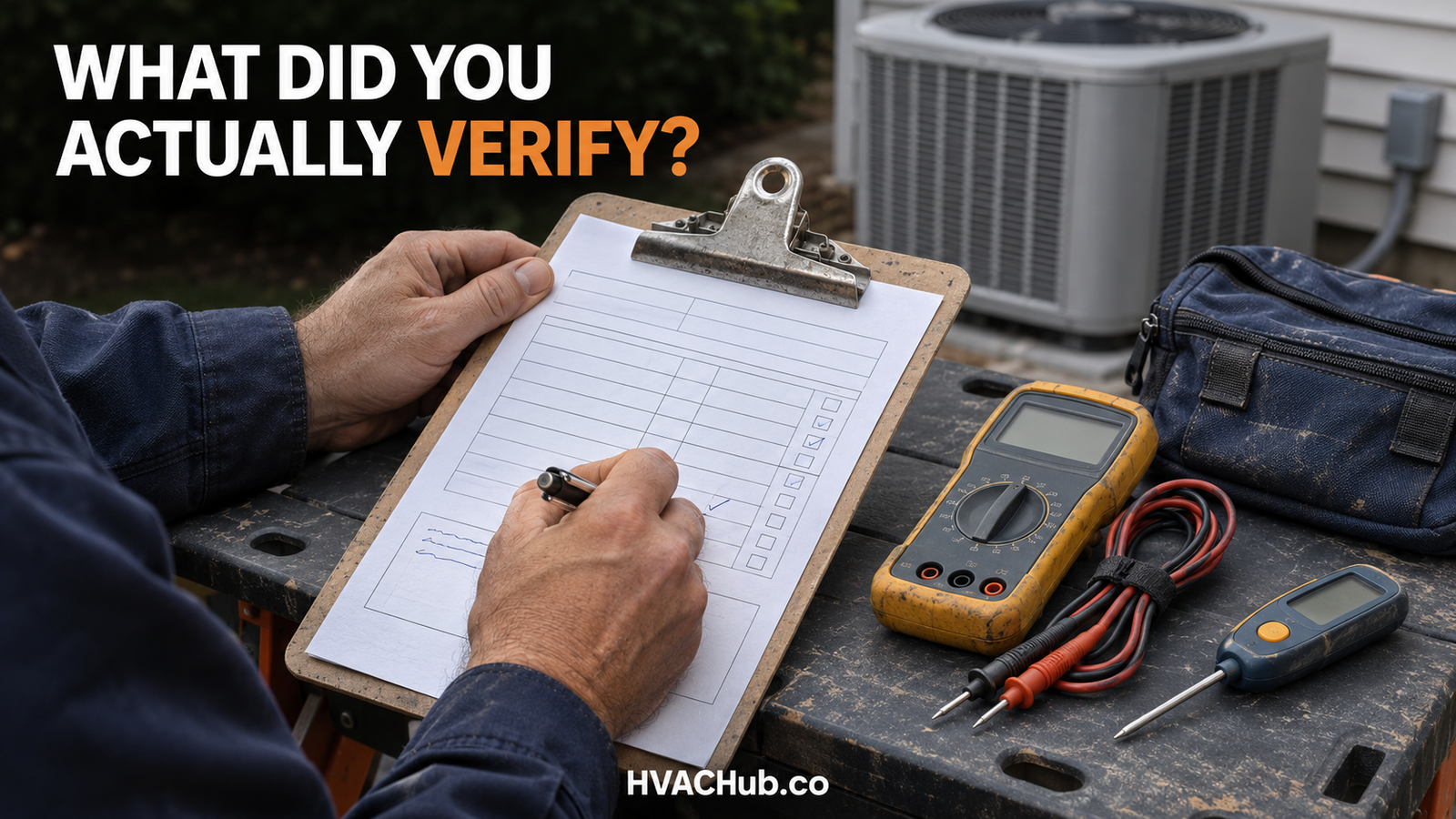
When appropriate, include before-and-after measurements with units and operating conditions. A number without context may be misleading. Note any limitations, such as an intermittent symptom that did not recur or a mode that could not be tested during the visit.
Photographs can support the report when they show actual conditions. Avoid taking irrelevant pictures simply to make the document look thorough. Clear, accurate notes matter more than a long collection of unexplained images.
Separate verified facts from recommendations
Use language that distinguishes what the technician measured from what they suspect. For example, “Cooling call confirmed and equipment operated during the observation period” is more precise than “Entire system perfect.”
If the customer declines further diagnostic work, record the recommendation and the decision. Follow all required safety procedures. A declined recommendation does not excuse unsafe workmanship or the operation of hazardous equipment.
Don’t Just Close the Service Ticket
The final conversation matters. A homeowner may not understand the difference between replacing a part and checking that the system responds correctly. Explain both in a few clear sentences.
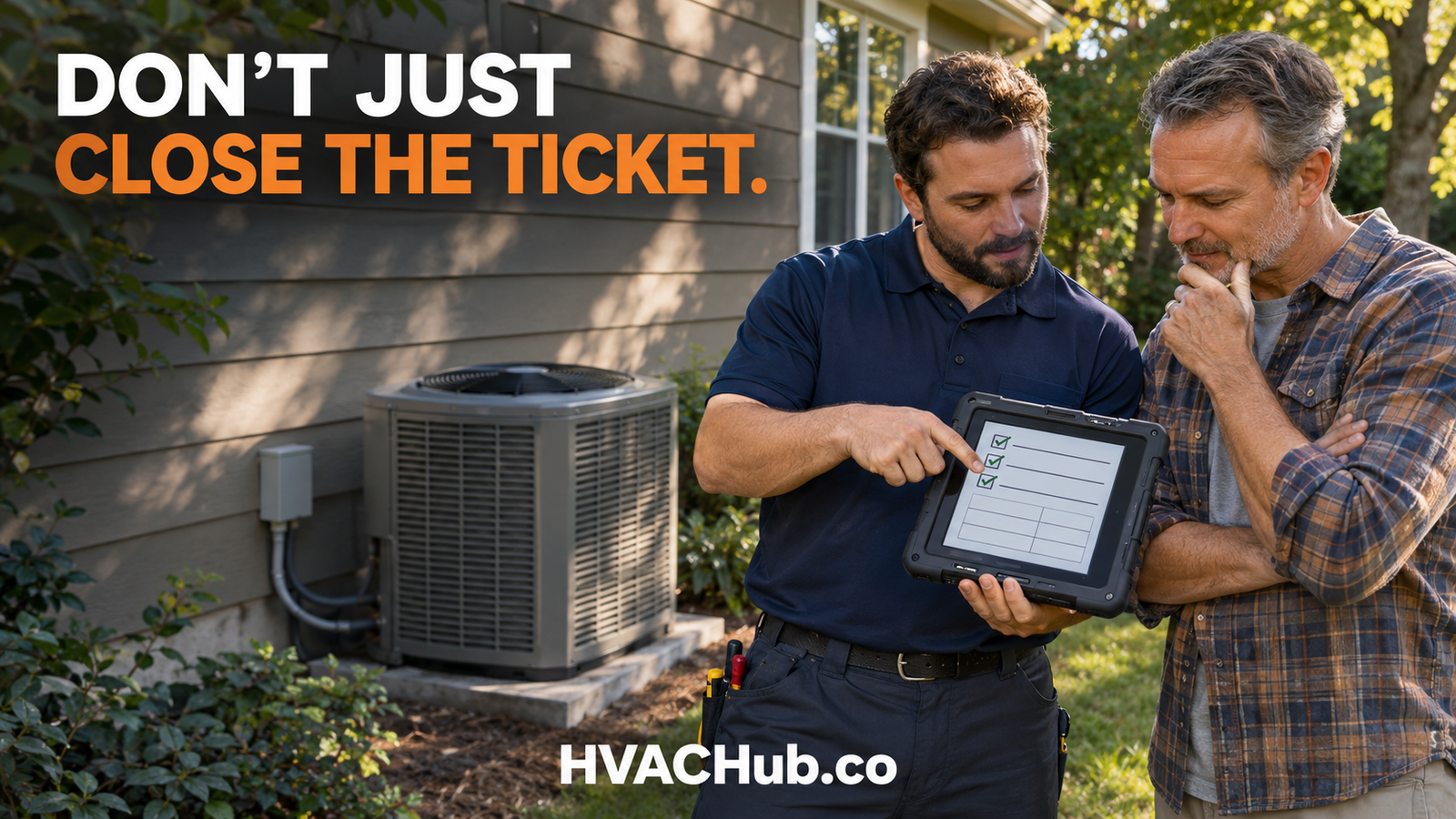
A technician might say: “We replaced the failed component, confirmed that the system starts correctly, and checked the operating conditions related to your cooling complaint. Here is what we measured, and here is what I want you to watch for.”
Adapt the explanation to the actual work. Never claim a measurement or test that was not performed. Give the customer a realistic expectation about normal operation and any recommended follow-up.
If another issue remains, explain its priority without using pressure. Customers should know whether the equipment can safely operate, what symptoms may continue, and when to contact the company.
When the System Passes Testing but the Customer Still Complains
Sometimes the technician’s checks look reasonable, yet the customer remains uncomfortable. That does not automatically mean the homeowner is wrong or the repair failed.
Comfort can depend on building insulation, duct conditions, room-by-room airflow, thermostat placement, humidity, outdoor weather, and equipment capacity. These factors may require separate assessment beyond the original repair.
Listen to the specific complaint. Is one room warmer than others? Does the problem appear only late in the afternoon? Is the thermostat reaching its setpoint? Gather details before offering another repair.
If further diagnosis is necessary, explain the scope and cost clearly. A transparent follow-up plan is better than dismissing the concern because the system was running when the technician left.
A Practical HVAC Post-Repair Verification Checklist
Use this sequence as a starting point and adapt it to the equipment, repair, and manufacturer instructions.
1. Confirm the repair and safety status
Review the completed work, correct component specifications, secure connections, closed panels, and applicable safety requirements. Qualified personnel should complete any required electrical, combustion, or refrigerant procedures.
2. Recreate the relevant operating condition
Where safe and practical, run the system in the mode connected to the customer’s complaint. Confirm that controls respond as expected and that the repaired component performs its intended function.
3. Collect meaningful evidence
Observe operation and obtain the measurements relevant to the repair. Record units, test conditions, and limitations. Do not invent readings or use generic targets without appropriate context.
4. Check for remaining concerns
Look for symptoms that continue after the repair. Separate confirmed additional faults from possibilities requiring further diagnosis. Address any hazardous condition according to applicable procedures.
5. Explain and document the result
Tell the customer what was fixed, what was verified, and what remains uncertain. Provide a clear service record and a specific follow-up recommendation when needed.
How HVAC Business Owners Can Build Better Verification Habits
Service managers can improve consistency by reviewing real job types rather than imposing one oversized checklist. Start with common repairs and identify the few checks that demonstrate the intended result.
Train technicians to record actual observations instead of selecting “passed” automatically. A checklist that everyone completes without performing the checks creates false confidence.
Make sure schedules allow enough time for necessary verification. If every appointment is booked so tightly that technicians must leave immediately after installing a part, the process works against the quality the company wants.
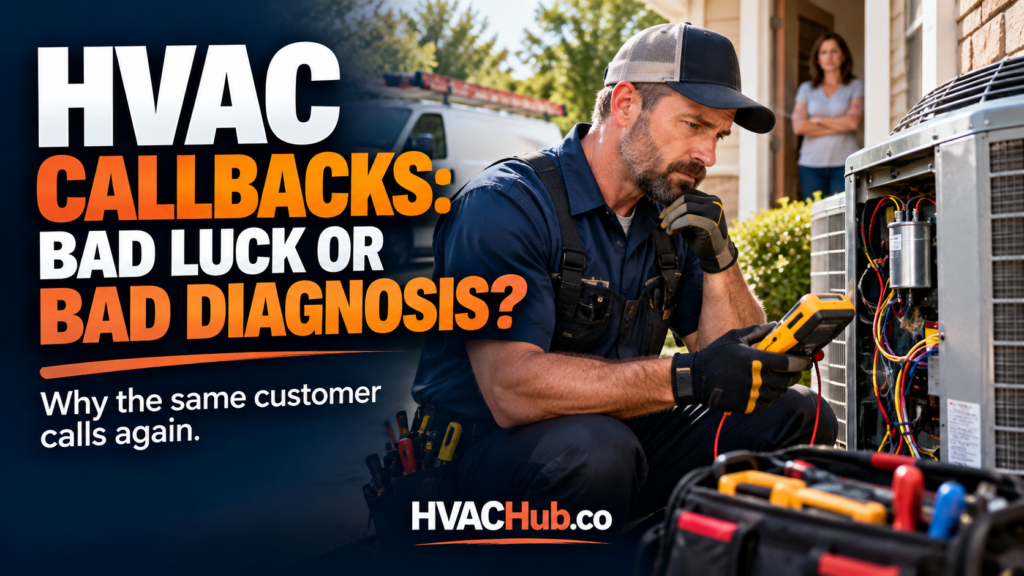
Review callbacks and customer feedback for patterns, but avoid using them as the only measure of success. Some return visits involve unrelated faults or new conditions. Good documentation helps managers tell the difference.
Frequently Asked Questions
What is HVAC post repair testing?
HVAC post repair testing means checking relevant equipment operation after a repair. It helps verify the corrective work, assess the original complaint, and identify remaining concerns. The required checks depend on the system and repair.
Is feeling cold air enough to confirm an AC repair?
No. Cool air alone does not establish that airflow, controls, refrigerant-side operation, and other relevant conditions are correct. Technicians should use appropriate observations and measurements for the specific complaint.
Should technicians record readings after every HVAC repair?
Technicians should document the checks and results relevant to the work. Some repairs call for detailed measurements; others require targeted functional verification. Recorded readings should include enough context to be useful.
Does post-repair testing prevent all HVAC callbacks?
No. Testing can help identify unresolved problems and confirm completed work, but it cannot prevent every later failure or unrelated issue. Proper diagnosis, safe repairs, documentation, and customer communication remain essential.
What if the system cannot be fully tested during the visit?
Document the conditions that prevented testing, explain what was verified, and arrange appropriate follow-up when necessary. Do not describe untested functions as confirmed.
The Job Is Complete When the Result Is Clear
Replacing a failed part is an important step. Verifying the relevant system response turns that repair into a more complete service experience. The technician should leave with evidence of what worked, a record of what was checked, and a clear explanation for the homeowner.
HVAC post repair testing does not need to mean endless measurements. It means performing the right checks for the right reasons, recognizing limits, and documenting the result.
Contractor discussion: After replacing a failed HVAC component, which final checks are non-negotiable in your company? How do you decide when enough testing has been done? Join the discussion at HVACHub.co.

Responses