

Your Best HVAC Technician Is Leaving. But Your Customers Think They’re His Customers.

Your most requested HVAC technician has been with the company for years. Homeowners know his name, trust his recommendations, and sometimes call his personal number instead of the office. Then he gives notice. A few customers say they want to keep working with him at his new business.
For an HVAC owner, it can feel like losing far more than an employee. For the technician, it may feel like a natural result of years spent earning trust in people’s homes. The difficult question is not simply who “owns” a customer. It’s what the company and technician each contributed to the relationship—and what fair conduct looks like when they part ways.
This article uses an illustrative scenario, not a claim about any particular contractor. Rules about customer information, solicitation, noncompete agreements, and employee obligations differ significantly by jurisdiction. Specific disputes require local legal advice.
The Technician Leaves. The Customer Calls Him Anyway.
Imagine a technician who has maintained the same family’s heating and cooling equipment for eight years. He knows the history of the system, remembers the homeowner’s concerns, and has earned their confidence through careful work. The company, meanwhile, paid for advertising, handled scheduling and dispatch, provided the truck and insurance, managed billing, and stood behind the service.
When the technician starts his own operation, a homeowner finds his new business and books a service call. The original company feels it paid to create the opportunity. The technician believes the homeowner chose him because of his workmanship. The customer simply wants the person they know.
All three perspectives can be understandable. But understanding the emotion is different from determining what a contract or local law permits.
Who Actually Earned the Customer’s Trust?

The company may have generated the first lead, developed its reputation, supplied the tools and training, and supported the customer when things went wrong. The technician may have delivered the face-to-face experience that turned an initial booking into years of confidence.
Those contributions are not mutually exclusive. A company can create the conditions for trust, while a technician earns it during each visit. Problems arise when either side treats the other as irrelevant.
What the business built
Brand visibility, marketing investment, emergency availability, office support, equipment, quality standards, warranty administration, and a consistent way to contact the company can all influence whether a customer books and stays.
What the technician built
Accurate diagnosis, honesty, respectful communication, familiarity with the home, and dependable follow-through can make a technician personally memorable. Customers often remember the person who solved a stressful problem more clearly than the company name on the invoice.
What the customer decides
A customer is not a piece of company property. Customers can generally choose whom to hire, subject to applicable contractual arrangements and law. That choice does not automatically give a departing employee permission to copy private customer records or disregard enforceable obligations.
The Number They Actually Call
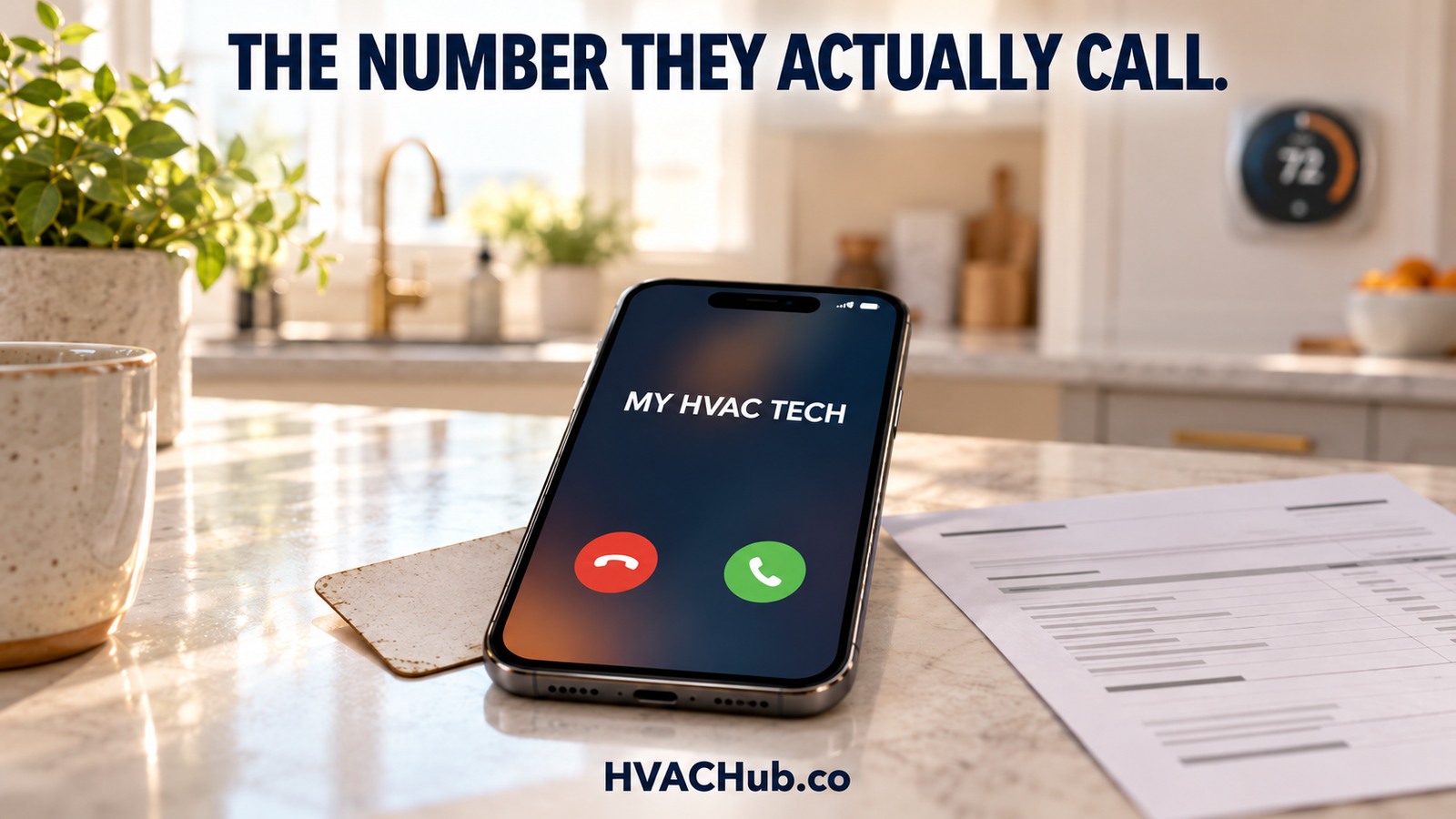
The most revealing moment may come long before anyone resigns. A homeowner says, “Can I just text you next time?” The technician shares a personal number to be helpful. Soon, scheduling questions, service photos, and requests for estimates bypass the office.
That may feel efficient, but it creates real operational risks. The company can lose visibility into commitments, safety concerns, service history, billing, and follow-up. The technician can end up handling unpaid administrative work during evenings and weekends. The homeowner may receive promises the office cannot see or fulfill.
A clear policy should tell technicians when personal contact is appropriate, how to redirect booking requests, and how customer information must be handled. Give homeowners an easy company contact method that feels as responsive as texting the technician.
A Customer Following Someone Is Not the Same as Taking a Customer List
Consider two very different situations. In the first, a homeowner independently learns that a former technician opened a business and decides to call. In the second, an employee exports customer phone numbers from the company’s system before leaving and sends promotional messages to those households.
Those actions raise different ethical and legal questions. Consent, confidentiality, privacy law, employment agreements, solicitation restrictions, and the way information was obtained may all matter. Whether a noncompete or nonsolicitation term is enforceable depends on local law and the circumstances; do not assume a clause is automatically valid everywhere.
Contractors should distinguish between a customer’s independent choice, general public advertising, targeted solicitation, and misuse of confidential records. Calling all of them “stealing customers” obscures important differences.
Loyalty to Who?

Owners may expect loyalty because they invested in training, provided steady work, and supported the technician’s career. Technicians may expect respect because their skill and reputation helped the company retain accounts. Customers may feel no obligation to either side: they want dependable service.
A healthy departure does not require pretending these interests are identical. It requires professional conduct even when interests diverge.
For the business owner
Protect access to customer records, document company-owned accounts and communication channels, review agreements with qualified counsel, and create a respectful offboarding process. Avoid threatening customers or making unsupported accusations about the departing technician.
For the departing technician
Return company property, respect confidentiality and lawful agreements, avoid copying private customer data, and keep any public announcement accurate. Building a new business is different from exploiting access entrusted to you by an employer.
For the customer
Provide clear choices about future service, warranty contacts, and how to reach the company. Do not pressure homeowners to take sides in an employment dispute.
The Bigger Risk: A Company Built Around One Person
If every major customer insists on a single technician, the business may have an operational vulnerability even if that technician never leaves. The company should make it possible for multiple qualified technicians to deliver consistent service, while preserving the personal care customers appreciate.
That can mean thorough job histories, shared technical notes, reliable dispatch communication, and introductions to another technician before a transition. It does not mean treating customer relationships as interchangeable or discouraging technicians from being personable.
How to Handle a Resignation Without Burning Customer Trust
- Confirm the employee’s departure date, responsibilities, and transition plan professionally.
- Review access to company systems and customer records using normal security procedures.
- Transfer open jobs, service histories, warranties, and pending commitments to appropriate staff.
- Tell affected customers who their new company contact will be, without disparaging the departing employee.
- Give customers a clear route to book service and ask questions.
- Address any suspected misuse of confidential information through evidence and appropriate advice, not public accusations.
- Treat the departing technician respectfully; today’s former employee may be tomorrow’s referral partner or industry colleague.
Should You Stop Technicians from Becoming the Face of the Business?
Trying to prevent personal trust is likely to undermine the very service quality that keeps customers coming back. A better goal is to connect that trust to dependable company systems: transparent communication, consistent service standards, accessible records, and more than one capable point of contact.
Owners can also make staying attractive through fair compensation, career development, autonomy, and a workplace where technicians receive credit for excellent service. Those steps cannot eliminate turnover, but they can reduce the sense that the company and its people are on opposing teams.
Frequently Asked Questions
Can HVAC customers follow a technician to a new company?
Customers often have freedom to choose a service provider, but the details can be affected by local law and contracts. A customer’s independent choice should not be confused with improper use of confidential customer information.
Does an HVAC company own its customer list?
A business may have legitimate rights and obligations relating to its confidential records and customer database. How those rights apply depends on contracts, privacy law, the information involved, and local rules.
Can a technician give customers a personal phone number?
That depends on company policy and applicable obligations. Personal contact can complicate scheduling, recordkeeping, privacy, and after-hours expectations. A clear process benefits both technicians and homeowners.
Are noncompete agreements enforceable for HVAC technicians?
Enforceability varies widely by jurisdiction and can change over time. Do not rely on a blanket rule; consult qualified local counsel about the specific agreement and circumstances.
The Question Every HVAC Owner and Technician Should Discuss
The hardest part of this situation is that the company and the technician may both have helped earn the customer’s loyalty. A professional departure should protect confidential information and honor lawful obligations without treating the homeowner as a prize to be fought over.
If a technician leaves an HVAC company and customers voluntarily follow him, is that fair competition—or a betrayal of the business that helped build those relationships? Share your experience and perspective with fellow contractors and technicians at HVAC Community Hub.





Responses