
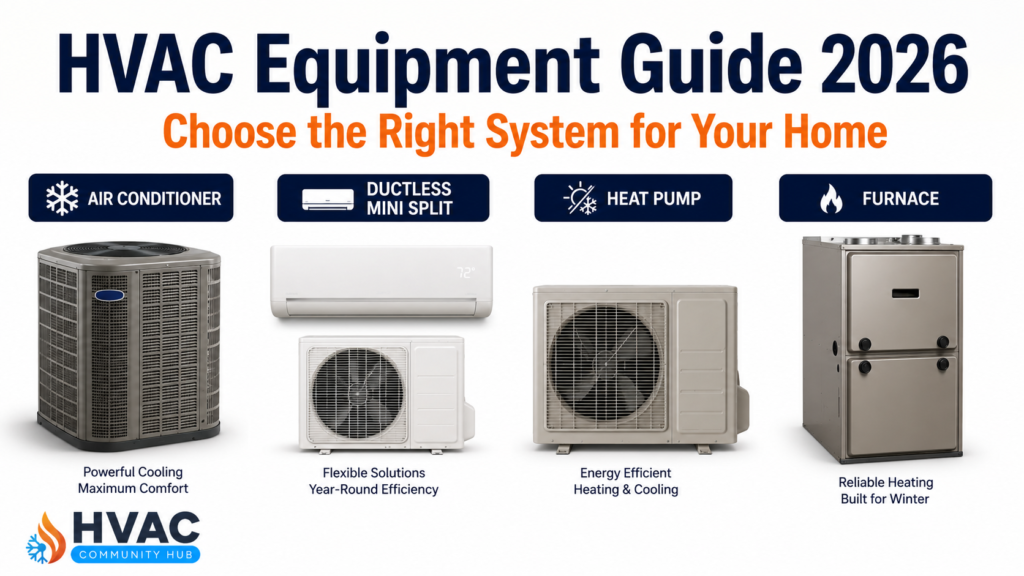
HVAC Equipment: How to Choose the Right System for You

Choosing the right HVAC equipment is one of the biggest decisions any homeowner or contractor will make. Get it wrong, and you face higher bills, poor comfort, and a shorter system life. Get it right, and you enjoy years of reliable comfort at a fair running cost. As of 2026, all new systems must meet updated federal efficiency standards. SEER2 ratings, refrigerant types, and sizing rules have all changed in recent years. This guide breaks down exactly what you need to know about HVAC equipment — system types, sizing, efficiency, and what really affects the price.
Why Choosing the Right HVAC Equipment Matters So Much
The system you choose affects your comfort every single day. It also affects your energy bill every single month. A system that is too small will run constantly and never quite keep up. A system that is too large will switch on and off too often and wear out faster.
The Real Cost of Getting It Wrong
Many homeowners focus only on the upfront price. However, the wrong equipment costs far more over time. An oversized unit cycles on and off rapidly. This wastes energy and leaves rooms feeling damp and uneven. An undersized unit runs nonstop and still struggles to keep up. Both mistakes shorten the life of the equipment and raise your monthly bills.
What Changed for HVAC Equipment in 2026
Several important rules changed recently. SEER2 replaced the older SEER rating system in 2023. It tests systems under more realistic conditions, so the numbers look slightly different. A 14 SEER2 system today is roughly equal to a 15 SEER system under the old rating. Furthermore, refrigerants are shifting away from R-410A. Newer systems now use R-32 or R-454B, which have a lower environmental impact. Always confirm your chosen system meets your region’s current SEER2 minimum before buying.
The 4 Main Types of HVAC Equipment Explained
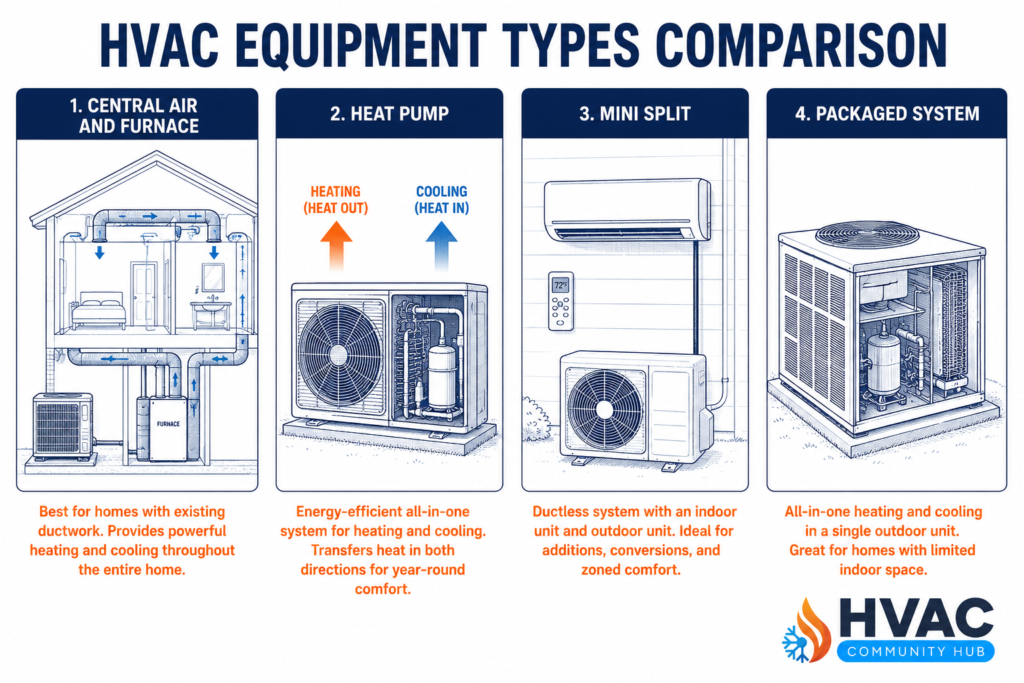
Before comparing brands or prices, you need to understand which type of system fits your home. Here are the four main options available in 2026.
1. Central Air and Furnace Systems
This is the most common setup across North America. A furnace handles heating. A separate air conditioner handles cooling. Both connect through shared ductwork that runs throughout the home. This setup works best in homes that already have good ductwork in place.
Central systems give you even, whole-home comfort from a single thermostat. However, they depend heavily on duct quality. Leaky or poorly sealed ducts can waste 20 to 30% of conditioned air before it ever reaches a room.
2. Heat Pumps
A heat pump handles both heating and cooling using one single system. Instead of generating heat, it moves heat from one place to another. In summer, it pulls heat out of your home. In winter, it pulls heat in from outside, even when it is cold.
Heat pumps work especially well in moderate climates. They are also highly efficient, often using less energy than a traditional furnace. In very cold regions, some homeowners pair a heat pump with a backup furnace for extreme weather days.
3. Ductless Mini Split Systems
Mini splits are ideal for homes without existing ductwork. Each system has one outdoor unit connected to one or more indoor wall-mounted units. Every indoor unit controls its own zone, so you can set different temperatures in different rooms.
This makes mini splits a strong choice for additions, garage conversions, or older homes where adding ductwork would be expensive. Furthermore, they excel at zoning. If one room runs warmer than another, a mini split fixes that problem directly.
4. Packaged Systems
A packaged system houses all components — the compressor, coil, and air handler — in a single outdoor unit. This setup works well for homes with limited indoor space, such as those without a basement or attic suitable for equipment.
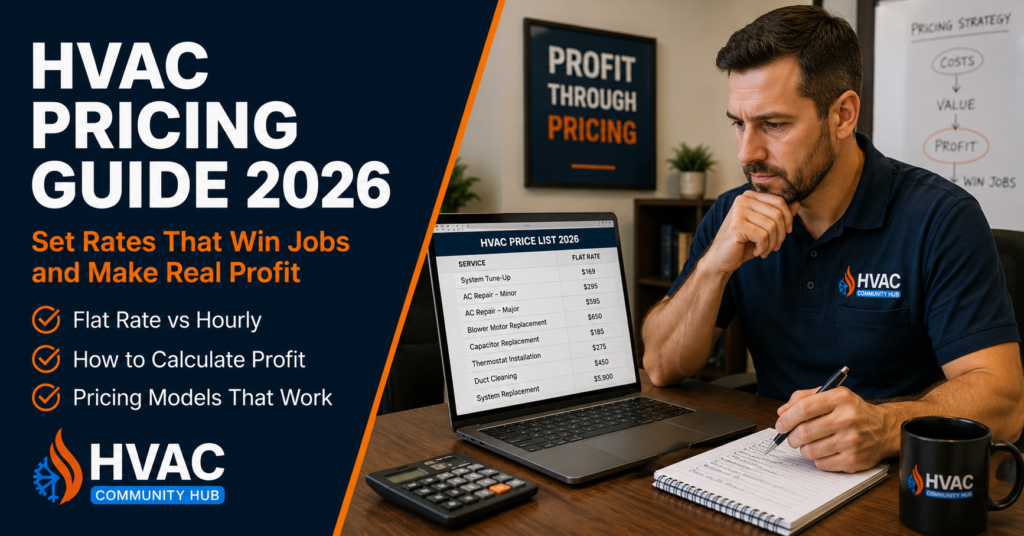
Packaged systems are common in smaller homes and some commercial buildings. They are simpler to install in some cases since everything sits in one cabinet outside. You can read more about choosing the right system for your specific job type in our HVAC pricing guide.
How to Size Your HVAC Equipment Correctly
Getting the size right matters more than almost any other decision. A system that is too big or too small will never perform well, no matter how good the brand is.
[SET AS H3]
Understanding BTUs and Tons
HVAC capacity is measured in BTUs, or British Thermal Units. Twelve thousand BTUs equal one ton of cooling capacity. Most homes need between 18 and 30 BTUs per square foot, though this varies by climate and insulation. A simple starting estimate uses about 25 BTUs per square foot of space you plan to cool.
Why a Manual J Calculation Matters
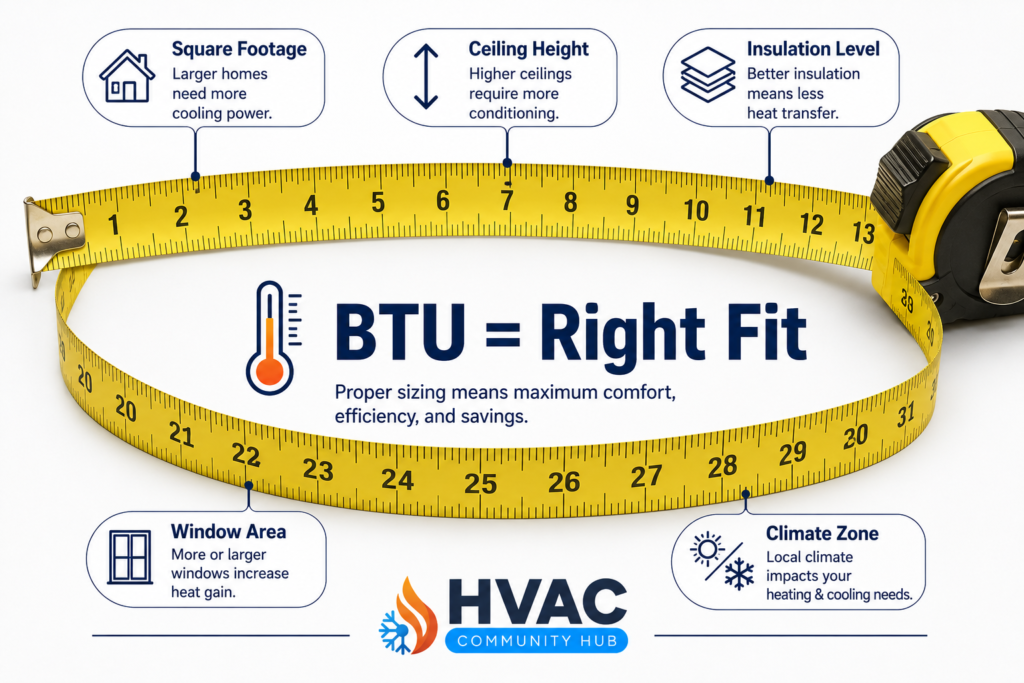
A rough square footage estimate gets you in the ballpark. However, a proper Manual J load calculation gives you the real answer. This calculation factors in square footage, ceiling height, insulation, window area, orientation, and your local climate zone.
Skipping this step is the most common mistake in HVAC buying. An oversized system short cycles, wastes energy, and fails to remove humidity properly. An undersized system runs constantly and never quite reaches the target temperature. Both problems shorten equipment life and raise your bills.
Signs Your Current System Is the Wrong Size
A few signs point to poor sizing. The system turns on and off very frequently, even on mild days. Some rooms stay warm or cool while the rest of the house feels comfortable. Humidity feels high indoors during summer despite the air conditioner running. If you notice any of these signs, have a licensed technician check the sizing before assuming the equipment itself is faulty.
HVAC Efficiency Ratings Explained Simply
Efficiency ratings tell you how much energy a system uses to produce its heating or cooling output. Higher ratings mean lower running costs over time.
What SEER2 Actually Means
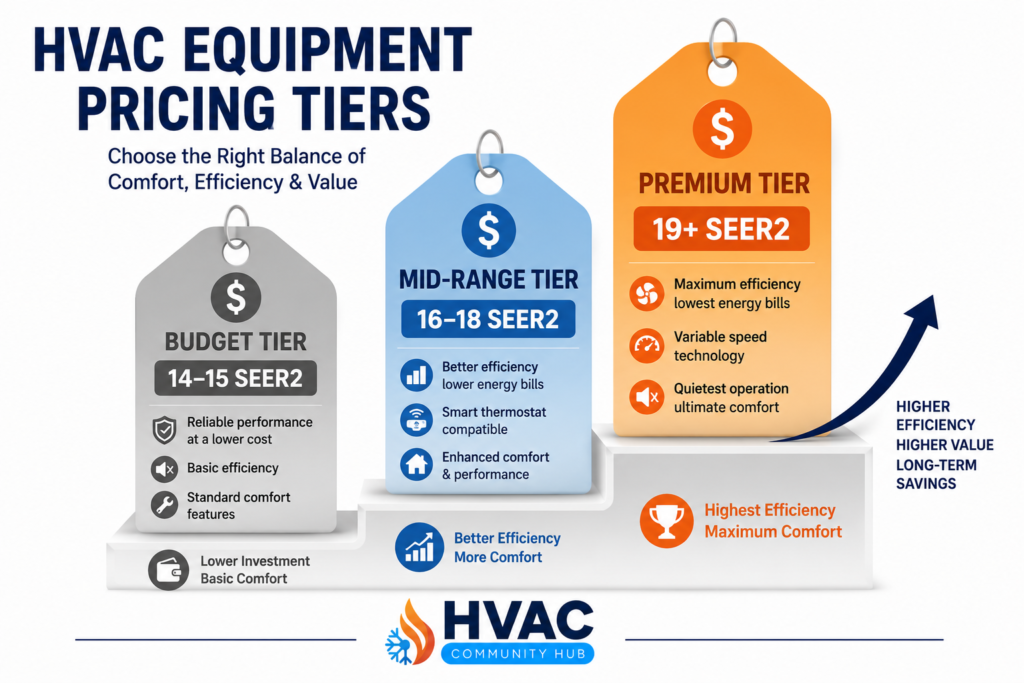
SEER2 measures cooling efficiency over a full season. The higher the number, the less energy the system uses for the same amount of cooling. As of 2026, most regions require a minimum of 14 to 15 SEER2 for new systems. Budget systems typically sit at this minimum level.
Mid-range systems usually offer 16 to 18 SEER2, along with better comfort features and smart thermostat support. Premium systems reach 19 SEER2 or higher, often with variable speed compressors that run more smoothly and quietly.
Is It Worth Paying More for Higher Efficiency?
A higher SEER2 rating costs more upfront. However, it lowers your monthly energy bill for as long as you own the system. In hot climates with long cooling seasons, the extra cost often pays for itself within five to eight years through lower bills.
In milder climates, the payback period stretches longer. So if you live somewhere with short summers, a mid-range system may give you better overall value than the most expensive premium option.
What Affects the Price of HVAC Equipment
HVAC equipment pricing varies widely. Understanding what drives the cost helps you budget accurately and avoid surprises.
System Type and Size
Central systems, heat pumps, mini splits, and packaged units all carry different price points. Larger capacity systems cost more than smaller ones. Furthermore, multi-zone mini split setups with several indoor units cost more than a single-zone system.
Efficiency Level
As covered above, higher SEER2 ratings come with a higher price tag. Variable speed compressors and advanced smart features add cost but also add comfort and long-term savings.
Installation Complexity
Equipment price is only part of the total cost. Installation adds a separate and often significant expense. Homes with existing, well-sized ductwork cost less to fit than those needing new or modified ducts. Furthermore, electrical upgrades, permit fees, and the complexity of the job site all affect labour cost.
Brand and Warranty
Some of the most trusted air conditioning brands include Carrier, Trane, Lennox, American Standard, and Rheem. These brands are known for reliability and strong warranty support. Premium brands often cost more upfront but may offer longer parts and labour warranties, which adds peace of mind over the life of the system.
How to Choose the Right Contractor for Your HVAC Equipment
The equipment matters, but the installation matters just as much. A great system installed poorly will never perform to its rating.
Get Multiple Quotes and Compare Carefully
Always get quotes from several contractors before deciding. Make sure each quote includes the same scope — equipment, labour, permits, and any ductwork changes. Comparing quotes that cover different work makes it hard to judge value fairly. You can read more about understanding and comparing HVAC quotes in our full guide.
Ask About Manual J Calculations
A reputable contractor should perform a Manual J load calculation rather than guessing based on square footage alone. If a contractor skips this step entirely, consider it a warning sign. Proper sizing protects both your comfort and your investment.
Check Licensing and Insurance
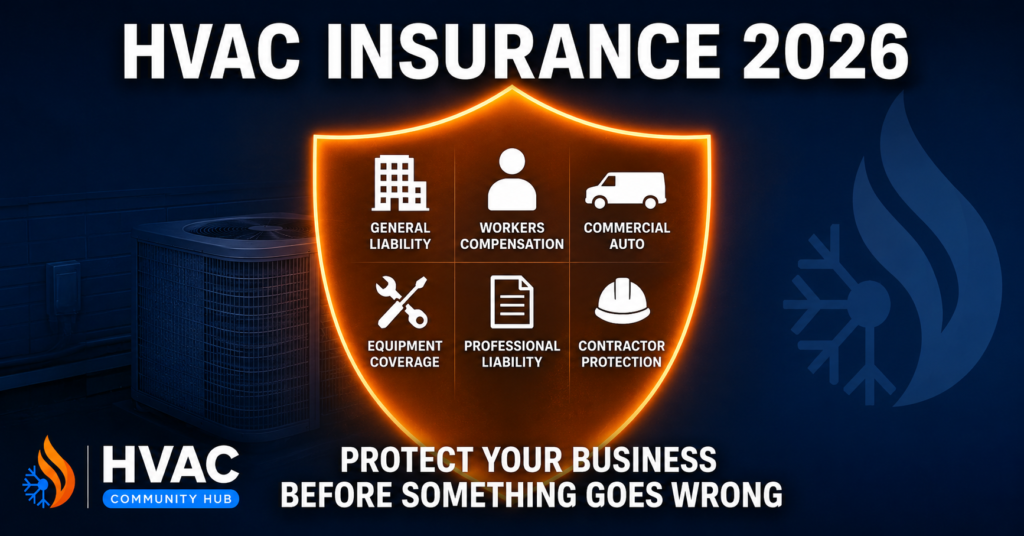
Always confirm your contractor is licensed and insured in your state. This protects you if something goes wrong during installation. A contractor without proper insurance creates real risk for you as the homeowner.
Frequently Asked Questions About HVAC Equipment
What size HVAC system do I need for my home?
Most homes need between 18 and 30 BTUs per square foot, depending on climate and insulation. A simple estimate uses 25 BTUs per square foot. However, a professional Manual J calculation gives you the most accurate answer for your specific home.
What is the difference between SEER and SEER2?
SEER2 replaced the older SEER rating in 2023. It tests systems under more realistic conditions, so SEER2 numbers run slightly lower than old SEER numbers for similar performance. A 14 SEER2 system is roughly equal to a 15 SEER system under the previous standard.
Are heat pumps better than furnaces?
It depends on your climate. Heat pumps work very well in moderate climates and handle both heating and cooling in one system. In very cold regions, a furnace or a heat pump paired with a backup furnace may perform better on the coldest days.
How long does HVAC installation take?
Most replacements take one to three days. The exact time depends on home size, system complexity, and whether any permits or ductwork changes are needed. Larger or more complex jobs can take longer.
What brands of HVAC equipment are most reliable?
Carrier, Trane, Lennox, American Standard, and Rheem are widely considered some of the most reliable brands available. Each offers different price tiers, so compare warranty terms and efficiency ratings rather than choosing by brand name alone.
Choose HVAC Equipment With Confidence
The right HVAC equipment comes down to understanding your options, sizing the system correctly, and choosing a contractor who does the job properly. Skipping steps like Manual J calculations or comparing quotes carefully often leads to higher bills and lower comfort down the line.
Equipment decisions also shape maintenance and customer comfort. See our indoor air quality guide and a practical HVAC maintenance checklist.
Take the Next Step
First, work out your rough square footage and climate needs. Second, decide whether central, heat pump, mini split, or packaged best fits your home and ductwork situation. Third, get multiple quotes and insist on a proper load calculation before committing.
If you are an HVAC business owner looking to guide your customers through this decision with confidence, HVAC Hub offers training, pricing tools, and a community of contractors sharing what works every day.
Visit hvachub.co to join free and build the systems your business needs to sell and install HVAC equipment with confidence in 2026. You can also read our HVAC pricing guide to see how equipment choice connects to your quoting strategy — HVAC PRICING

Responses