HVAC Community: How It Builds Skills, Connections and Business Growth

An HVAC professional community connects technicians, contractors, business owners and managers who want to learn from one another. A useful community can help members compare operating practices, discuss technical challenges, discover learning resources and develop relationships over time. The value depends on active participation and the quality of the advice, not simply the number of members.
1. What Is an HVAC Community?
An HVAC community is a network of people working in heating, ventilation, air conditioning and refrigeration who share knowledge and practical experience. Conversations may cover field work, customer service, pricing, business systems and career development. Always assess advice against local codes, licensing rules, manufacturer instructions and the requirements of each job.

2. Benefits of Joining an HVAC Professional Community
Networking Opportunities
Professional relationships can lead to referrals, collaborations, mentorship and valuable second opinions. Introduce yourself with your specialism and service region, help answer questions when you can, and build trust before asking others for introductions.
Access to Industry Resources
Depending on the community, members may find practical guides, training resources, discussion groups or peer recommendations. Check what is actually available, how recently resources were updated and whether course access or membership benefits have additional requirements.
Learning from Real-World Experiences
Case studies and discussions about real jobs can reveal how other professionals approach scheduling, customer communication and troubleshooting. Compare methods thoughtfully, document what you learn, and test operational improvements on a manageable scale rather than assuming another company’s process will work unchanged for yours.
Business Growth Strategies
Business owners can discuss topics such as lead generation, marketing, reputation management, pricing and customer retention. Use peer feedback to develop a clear experiment—for example, improving missed-call follow-up—and measure the results using real enquiries, bookings and customer feedback.

HVAC Professional Community members discussing business growth strategies
3. How to Choose the Right HVAC Professional Community
When evaluating an HVAC community, check whether its discussions are current and relevant to your trade or service region. Look for helpful moderation, knowledgeable contributors, transparent membership terms and clear explanations of which resources are free or paid.
- Active discussions and engagement
- Verified resources and mentorship
- Support for professional and business growth
4. Final Thoughts
HVAC communities can be valuable sources of learning and professional connection, but joining alone does not guarantee more work or better results. Choose a group that is relevant to your needs, contribute regularly and check technical or legal advice against authoritative sources.
To build on those conversations, explore HVAC Community Hub courses, learn about mentorship in the HVAC industry, and read the guide to leading HVAC teams. Visit HVAC Community Hub to learn about the community itself.
Related HVAC community resources
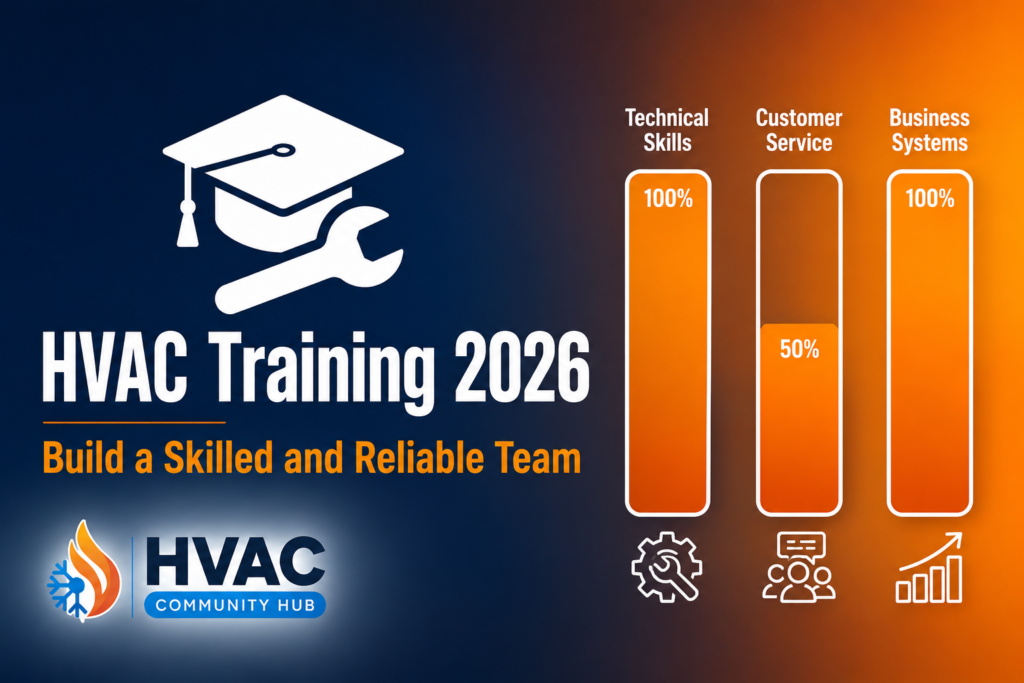
For more detail on structured training opportunities, see the HVAC community courses overview.

Responses