
Your HVAC Customer Approved the Estimate. So Why Did They Still Feel Surprised by the Final Bill?

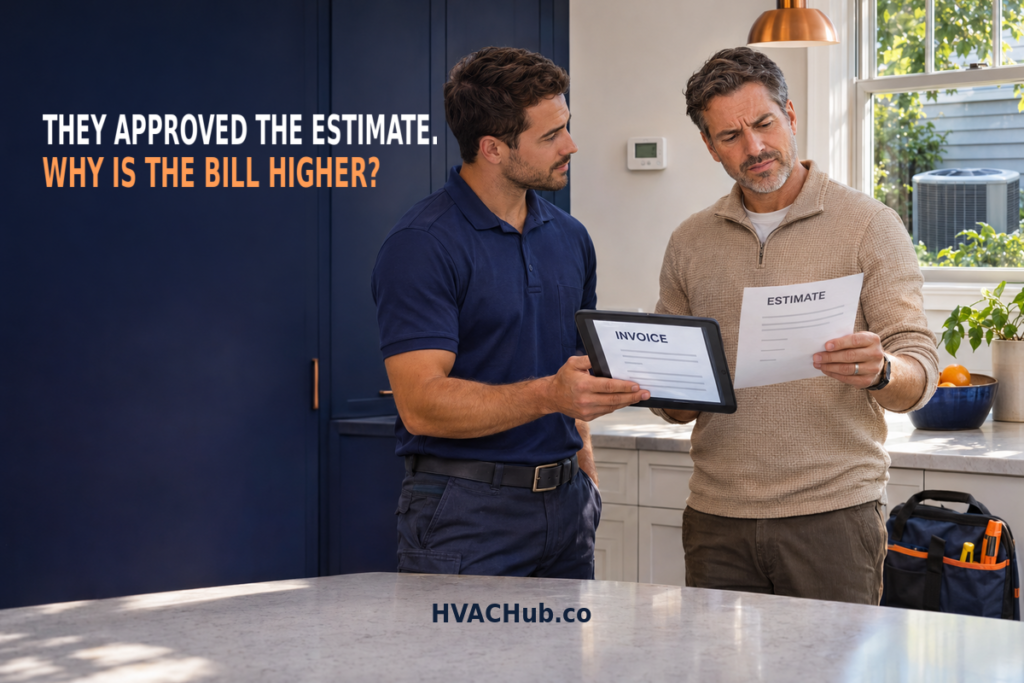
An HVAC technician finishes a repair, confirms that the system is operating, and hands the homeowner a final invoice. The homeowner looks at the total and asks a difficult question: “I already approved the estimate. Why is this higher?”
The contractor may have a reasonable explanation. Perhaps the technician discovered another failed component after opening the equipment, or the homeowner requested additional work. But a legitimate charge can still feel unfair when the customer learns about it only after the work is done.
This is where pricing transparency becomes a customer-service issue. The goal is not to promise that every HVAC repair will cost exactly what the first estimate suggests. It is to explain the scope, communicate changes before proceeding when required, document authorization, and send an invoice the homeowner can understand.
The Repair Was Successful. Why Did the Invoice Create a Problem?
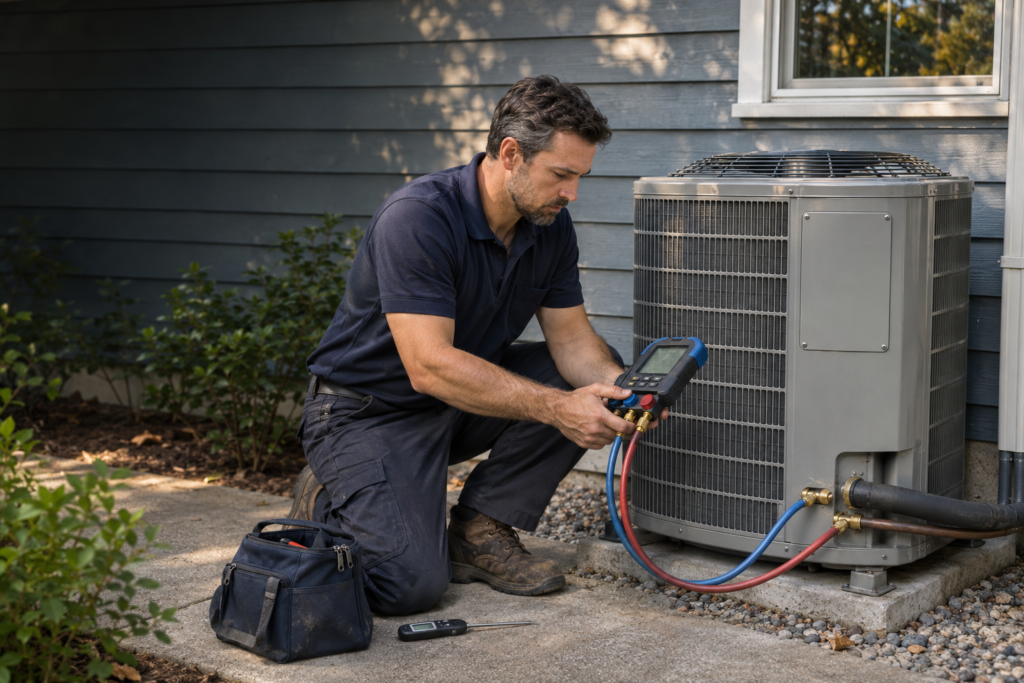
Imagine a homeowner named Lisa. Her air conditioner stops cooling on a hot afternoon. An HVAC technician diagnoses one failed part, explains the proposed repair, and provides a written estimate. Lisa approves it because she understands the work and wants the system running again.
During the repair, the technician notices a separate issue. The additional work may be worthwhile, but the technician does not clearly explain the new scope or obtain the needed authorization. At the end of the visit, the invoice includes both repairs.
Lisa may believe the technician did good work. She can still feel surprised by a total she did not expect. The contractor may believe the additional charge is reasonable. Both reactions can exist at the same time.
The communication gap begins before the final invoice. A clearer conversation at the moment the work changed could have prevented the disagreement.

An Estimate Is Not Always the Same as a Final Price
Contractors use different pricing arrangements. Some provide a firm quoted price for a defined scope. Others provide an estimate based on information available before opening equipment or completing diagnosis. A time-and-materials arrangement may depend on actual labor and parts. Each approach can work, but the customer needs to understand which one applies.
A firm quote generally creates a different expectation from a rough estimate. If the contractor offers a fixed price for specified work, unexpected internal costs do not automatically justify charging more. Changes to scope or price should follow the agreement and applicable law.
For an estimate, explain what is included, what remains uncertain, and when the customer will be contacted if new work becomes necessary. Avoid vague language that leaves the homeowner unable to judge the likely cost.
Local consumer-protection rules, licensing requirements, and contract terms can affect estimates, change orders, and authorization. Contractors should follow the requirements that apply in their jurisdiction rather than assuming one national rule covers every job.
Five Reasons HVAC Final Bills Can Differ From Expectations
1. Additional problems appear after work begins
A technician may discover a separate damaged component or an installation issue after opening a cabinet or testing the system further. Finding something new does not mean the customer automatically approved repairing it. Explain the finding, the options, and the revised price before proceeding when authorization is needed.
2. The original scope was unclear
A line such as “repair AC” gives the homeowner little information about what is included. Describe the specific work and any important exclusions. A clearer scope helps both parties recognize when a proposed change is actually new work.
3. Diagnostic charges and repair charges were not separated
Some companies charge for diagnosis and then quote the repair separately. Others apply a diagnostic fee toward eligible work. State the policy before the appointment or before chargeable work begins, as appropriate. Explain any credits or conditions in writing.
4. The homeowner requests an upgrade or extra service
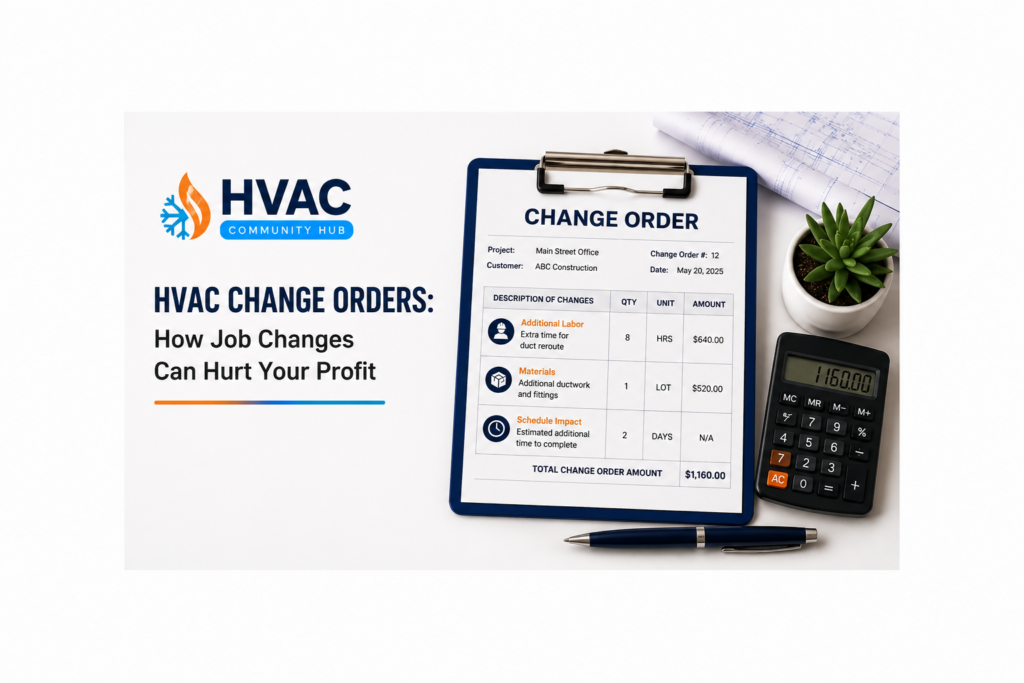
A customer might ask for an additional thermostat, accessory, or maintenance task during the visit. The request may be legitimate, but the revised total should still be clear. Document the customer’s choice instead of relying on a casual conversation that both parties may remember differently.
5. Discounts, taxes, or fees were misunderstood
A quoted promotion may have exclusions. Applicable taxes and disclosed fees may affect the total. Avoid hiding important conditions in tiny print. Show the customer how the final amount is calculated and correct any error promptly.
The Three-Step Rule: Explain, Approve, Document
Explain the change before doing the work
When a new issue appears, stop long enough to explain what the technician found. Show a photo or the affected part when helpful and safe. Describe the difference between the original repair and the additional recommendation.
Use everyday language. Tell the homeowner whether the issue affects safety, system operation, or future maintenance. Do not use fear to pressure a quick decision. If immediate safety action is required, follow applicable safety procedures and explain the situation clearly.
Get informed approval
Present the revised scope and the added cost or pricing method. Give the customer a real opportunity to accept, decline, or ask questions. Follow local rules and contract requirements for written or electronic authorization, especially before additional chargeable work.
A customer agreeing that a problem exists is not necessarily the same as agreeing to pay for its repair. Make the decision explicit. If the homeowner declines, document that choice accurately and explain any consequences without exaggeration.
Document what was agreed
Keep a record of the original estimate, revised work, price changes, and authorization. Note the date and relevant communication. The final invoice should match the approved scope and show charges in a way the homeowner can follow.
Documentation helps the customer as well as the contractor. It makes later questions easier to answer and reduces reliance on memory when an office employee or another technician handles the follow-up.

What a Clear HVAC Repair Estimate Should Include
A useful estimate identifies the service location, the equipment or area involved, and the proposed work. It should describe the parts or services included, the price or pricing method, and any material exclusions or uncertainties. Include applicable fees, taxes, timing, and approval terms where required.
Avoid making the document so technical that the homeowner cannot understand it. A short, plain-language summary often helps more than a long list of abbreviations. Explain what the customer is buying, what problem the work is intended to address, and what happens if the scope changes.
If a technician cannot yet determine the full repair, say so. Offer the next diagnostic step and explain what that step may cost. Uncertainty is easier to accept when the customer knows it exists.
What a Good Final Invoice Should Show
The final invoice should identify the completed work and make the amount due understandable. Where applicable, show the original approved work, any separately approved additions, relevant discounts or credits, taxes, and payments already received.
Use descriptions that connect the charges to what happened during the visit. “Miscellaneous repair” is less helpful than a clear description of the approved work. If an invoice changes after the customer has reviewed it, explain why and preserve an accurate record.
Make it easy for the homeowner to receive and retrieve a copy. Digital delivery may be convenient, but not every customer wants the same format. Confirm the best way to provide the document.
How to Handle a Customer Who Questions the Bill
Listen before defending the price
Start by asking which line or difference surprised the customer. Let them explain their understanding of the original estimate. A defensive response can turn a straightforward clarification into a dispute.
Compare the documents together
Review the original scope, any changes, the customer’s authorization, and the final charges. If the invoice contains an error, correct it. If the charge is supported, explain it without blaming the homeowner for not knowing technical details.
Do not invent an approval that is missing
If the company cannot verify that the customer authorized additional work, escalate the issue to the person responsible for resolving billing disputes. Follow the agreement and applicable law. A missing record is a process problem worth fixing, not something to cover up.
Close the loop
After resolving the question, send an updated invoice or a written explanation as appropriate. Note what caused the confusion so the team can prevent it on future calls.
The Technician and the Office Need the Same Story
A field technician may know exactly why a repair changed. The office employee who sends the invoice may not. If job notes are incomplete, the customer may hear two different explanations depending on whom they call.
Create a simple handoff: what was originally approved, what changed, why it changed, what the homeowner authorized, and what the technician completed. Decide who checks that information before billing.
Do not turn the process into a mountain of paperwork. A few clear fields and a consistent review can be more useful than a long form nobody completes. Train the team using real examples from previous service calls.
A Practical Example: One Repair, Two Possible Outcomes
Outcome A: The homeowner learns about the charge afterward
The technician discovers a second issue, completes both repairs, and leaves. The office sends an invoice with an added line item. The homeowner calls to challenge it. The technician remembers discussing the problem but cannot show clear approval for the extra cost. Now the owner must investigate a dispute that could have been avoided.
Outcome B: The homeowner chooses before work continues
The technician discovers the second issue and explains it. The homeowner reviews a revised estimate, asks whether the work can wait, and chooses how to proceed. The technician records the decision and completes the authorized work. The final invoice reflects that decision.
Outcome B does not guarantee that every customer will be happy with the price. It does give the homeowner a clearer choice and the contractor a better record of what happened.
Build a Simple Change-Approval Process for Your HVAC Team
Start with one rule: when the scope or price changes materially, the technician must follow the company’s authorization procedure before proceeding, except where applicable law or safety requirements dictate otherwise. Put the rule in plain language and train both field and office staff.
Next, make it easy to present a revised scope. The customer should see what is new, what it costs, and whether the original work remains the same. Provide a clear way to approve or decline according to the applicable requirements.
Finally, check the invoice against the authorized work before sending it. If the office spots a mismatch, resolve it with the technician rather than leaving the customer to discover it.
What to Measure Without Turning Every Call Into a Scorecard
Track a few signals that reveal communication problems: invoices corrected after sending, billing questions about added work, missing authorization records, and time spent resolving disputes. Review examples rather than focusing only on totals.
A rise in questions may reflect better customer awareness, a change in job mix, or an unclear process. Investigate the cause. Do not pressure technicians to avoid legitimate conversations just to improve a metric.
The goal is a consistent customer experience: understandable estimates, informed decisions, accurate records, and invoices that match what was agreed.
Where Organized Business Records Can Help
HVAC companies use different methods to manage customers, appointments, service information, and invoices. Some rely on carefully maintained existing tools. Others prefer a more connected business platform. Either way, the team must understand its approval process and follow it.
A business tool can help staff locate customer details and invoice records. It cannot replace an honest conversation, determine whether a repair is necessary, or guarantee that a customer’s authorization meets every legal requirement. Evaluate tools by testing real service scenarios and checking their limitations.
An Opportunity for HVAC Community Hub Readers
HVAC Community Hub shares practical discussions and resources for contractors. For businesses exploring ways to organize everyday records, HVACB Business Suite is an affiliated platform worth evaluating. HVACB.com and HVAC Community Hub are affiliated; this is a disclosed community offer, not an independent third-party recommendation.
HVACB Business Suite brings together Customers, Invoices, Appointments, Loyalty Rewards, Campaigns, and Reviews. These are business-management areas, not a promise that the platform automatically authorizes repair changes or prevents billing disputes. Confirm the features and current terms with HVACB before deciding whether it fits your workflow.

Interested in exploring the current free-access promotion? Review the terms and submit the official HVACB Black Friday claim form. Promotional slots depend on the stated availability and conditions; submitting the form does not itself confirm a slot. You can also explore more industry discussions at HVAC Community Hub.
Frequently Asked Questions
Can an HVAC final invoice be higher than the estimate?
It depends on the type of estimate or quote, the contract, any properly authorized changes, and applicable law. Contractors should explain the pricing arrangement and follow required approval procedures.
What should a technician do after finding an additional problem?
Explain the finding, describe the proposed extra work and cost, and obtain any required authorization before proceeding. Document the homeowner’s decision.
Does a homeowner have to approve every extra charge in writing?
Requirements vary by jurisdiction, contract, and type of work. Contractors should follow the applicable rules for written or electronic change authorization rather than relying on assumptions.
How can HVAC contractors reduce billing disputes?
Use clear estimates, communicate scope changes promptly, record approvals, review invoices before sending, and respond professionally to questions.
Will software prevent unexpected invoice disputes?
No. Organized records can support a consistent process, but accurate pricing, proper authorization, staff training, and transparent communication remain essential.
A Clear Bill Begins Before the Work Is Finished
The best time to prevent a surprise invoice is not when the homeowner calls to complain. It is when the scope changes and the technician has an opportunity to explain the options.
A successful repair should end with a customer who understands what was done and why it costs what it costs. Clear estimates, informed approval, and accurate invoices help make that possible. What process has helped your HVAC company avoid misunderstandings about repair charges? Share your experience at HVACHub.co.

Responses